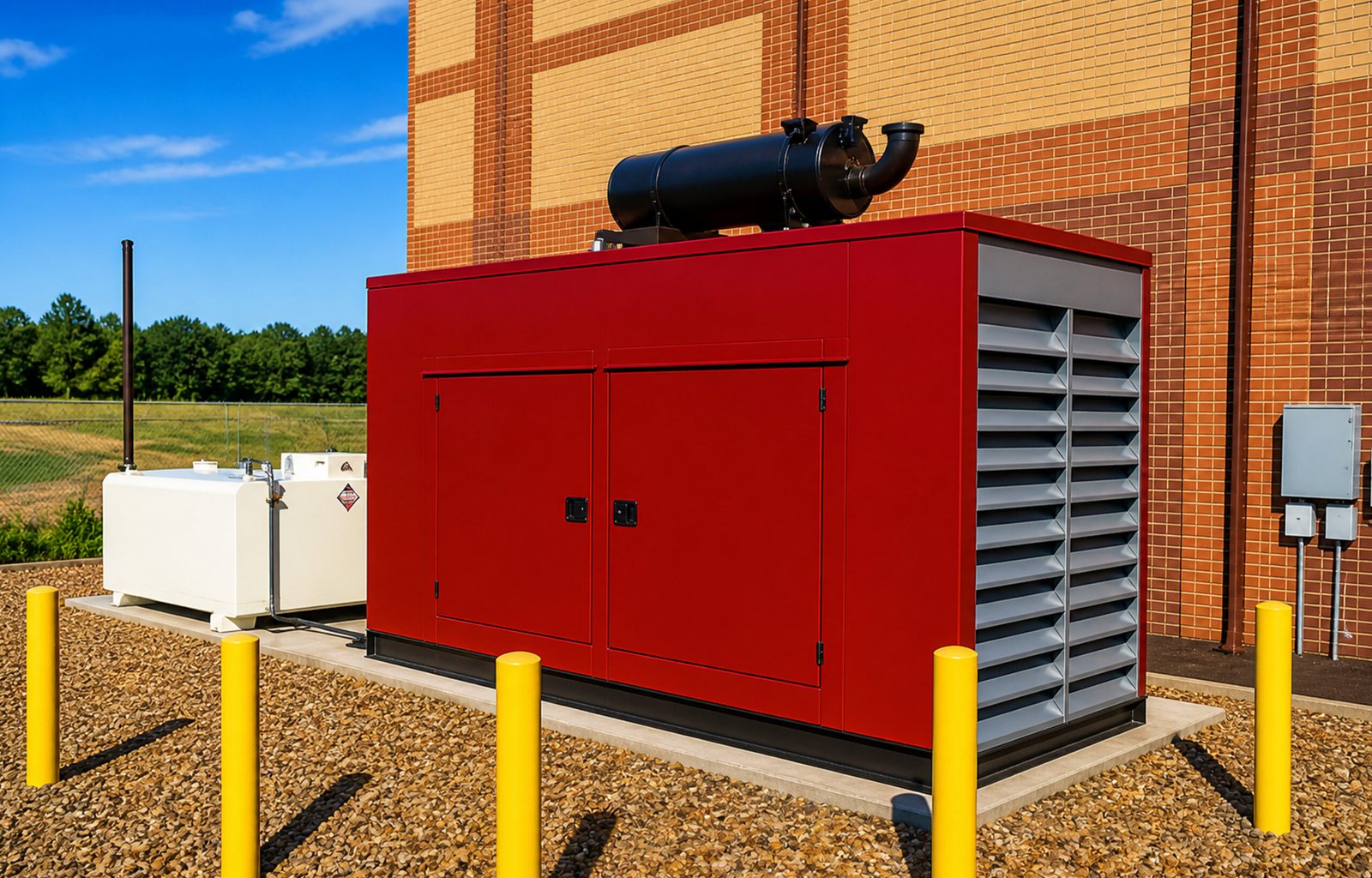
Power failures can happen anytime. Imagine a day without a power supply for most of the businesses; a day without electricity may lead to delays in operations, financial losses, equipment damage, and reductions in productivity. So in order to get uninterrupted power supply during emergencies, companies started investing in generators. But unfortunately many backup power solutions fail when an emergency occurs.
A generator is not only a machine but also a complete power system that requires regular monitoring and maintenance, which, in adverse turns, turns the backup solution into operational risk.
Generator Maintenance Irregularity
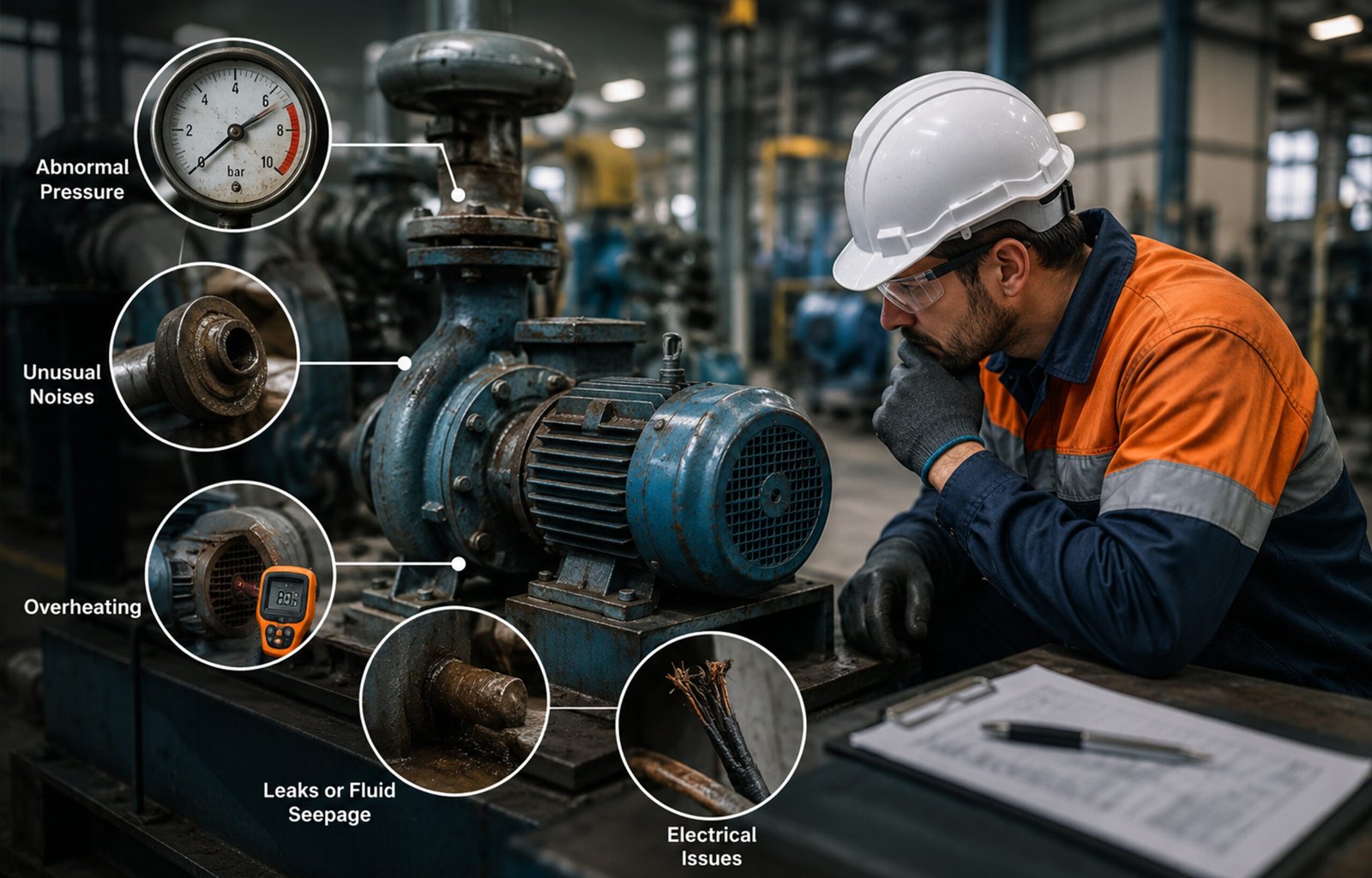
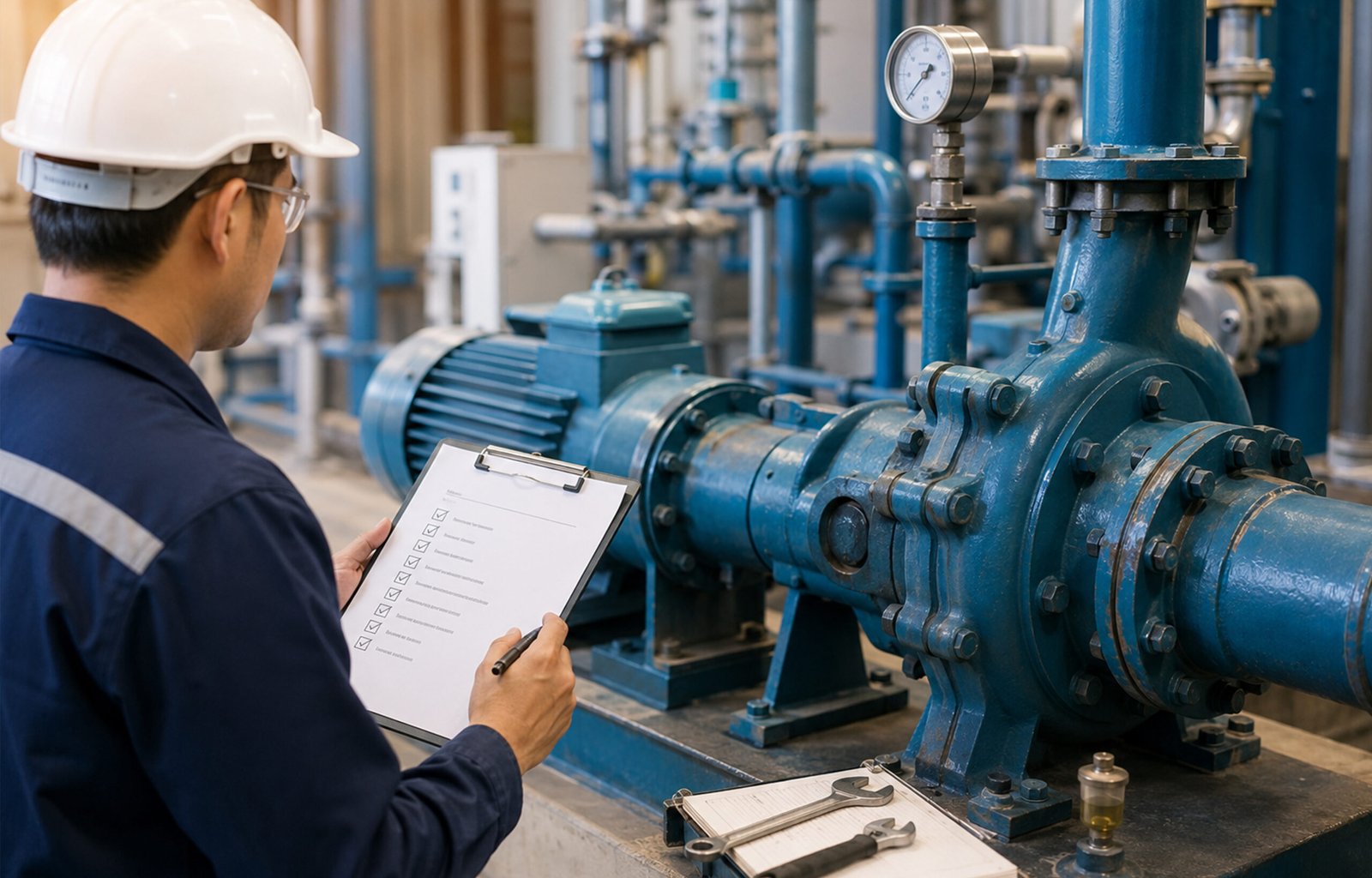
Poor maintenance is one of the common reasons for generator failure. Most of the businesses are using generators without any inspection. But in reality, backup systems require regular maintenance to stay reliable. Lack of proper maintenance may lead to a weak battery, clogged filters, engine oil issues, contaminated fuel, and loose electrical connections.
Hence, businesses that carry out professional generator maintenance are more likely to get rid of unexpected backup power solution errors.
Battery Problems Can Interrupt the Entire System
The battery is one of the most important parts of a generator. A weak battery can stop the generator from starting even if every other component is functioning properly.
The reasons behind battery failure are the following:
- Long usage without testing
- Terminals corrosion
- Low battery levels
- Old or damaged batteries
- Unstable environmental conditions
Hence, routine inspections and battery replacements are essential for maintaining reliable backup power solutions for businesses.
Contaminated Fuel and Storage Issues
The main factor that affects the quality of a generator is the quality of fuel. The main issue behind reduced engine efficiency is a block in fuel lines. Since diesel fuel can collect moisture and dirt, there is a chance of making a block in fuel lines. Contaminated water, dirty fuel filters, fuel degradation, and insufficient storage capacity are the factors that adversely affect fuel quality. So a regular fuel inspection is carried out by many businesses who are using commercial diesel generator systems.
Generator Overloading
Most of the businesses fail to upgrade their backup power systems. The generator may not be able to handle the load of new systems such as machinery and other equipment. The effects of overloaded generators are sudden overheating, unexpected shutdowns, damage to internal components, and reduced equipment lifespan. Uninterrupted business power supply during critical situations can be maintained by proper load assessment.
Improper Generator Installation
If installed incorrectly, every high-quality generator can fail. Incorrect installation may lead to unstable power transfer, unsafe electrical operation, poor fuel efficiency, high overheating risks, and short-term reliability. An experienced industrial generator specialist can help businesses to avoid installation-related issues.
Lack of Generator Load Testing
Load testing is the only verification process to test the actual performance of generators. Through load testing, hidden mechanical problems, instability in voltage, problems with cooling systems, and fuel delivery issues can be identified. Hence, regular testing is required to check emergency power backup systems’ performance during power outages.
Failure Of Cooling Systems
While operating, generators produce a significant amount of heat. The engine may overheat and shut down automatically if there is no properly functioning cooling system. Some common cooling system problems include a low level of coolant, radiator blockage, hose damage, and poor servicing. So businesses using standby generator solutions should ensure regular inspections.
Technical Support Delay
Power failures are always unexpected, so companies without any reliable technical support team may struggle to get immediate help. Partnering with authorized Kirloskar generator dealers may result in faster technical assistance, original spare parts, professionalism in troubleshooting, regular inspections, and long-term support.
Environmental Conditions vs Performance
Generator components are damaged by environmental factors such as humidity, dust, flooding, and extreme heat. Businesses should look for corrosion prevention and weather protection. Power backup systems for commercial spaces with proper environmental protection improve overall generator lifespan and reliability.
Why Failure Preventive Planning Matters
Preventive planning measures help businesses to avoid the risks during generator operations. Businesses should consider the factors such as professional servicing, load testing, battery inspections, fuel-quality monitoring, and emergency technical support.
One of the most valuable investments a business can make for better operation efficiency is a powerful backup system. But even the best generators can fail without proper maintenance, professional installation, and regular testing. Hence, an experienced Kirloskar generator dealer can ease your business operations more efficiently.
FAQS
What is the reason behind backup power failure during power cuts?
Poor maintenance, battery problems, contaminated fuel, overloading, and lack of regular testing are the reasons behind backup power failure.
How to carry out generator service?
Generator service can be done every 3-6 months’ time period depending on its usage.
How to improve the reliability of a backup power system?
Reliability can be improved by proper monitoring, fuel maintenance, battery checking, and routine load checking.
How long does a backup power system last?
A good-quality generator can last up to 10 – 20 years, depending upon its usage and environmental factors.
How to prevent generator failure?
Generator failure can be prevented by regular testing, maintenance, and using quality fuel.