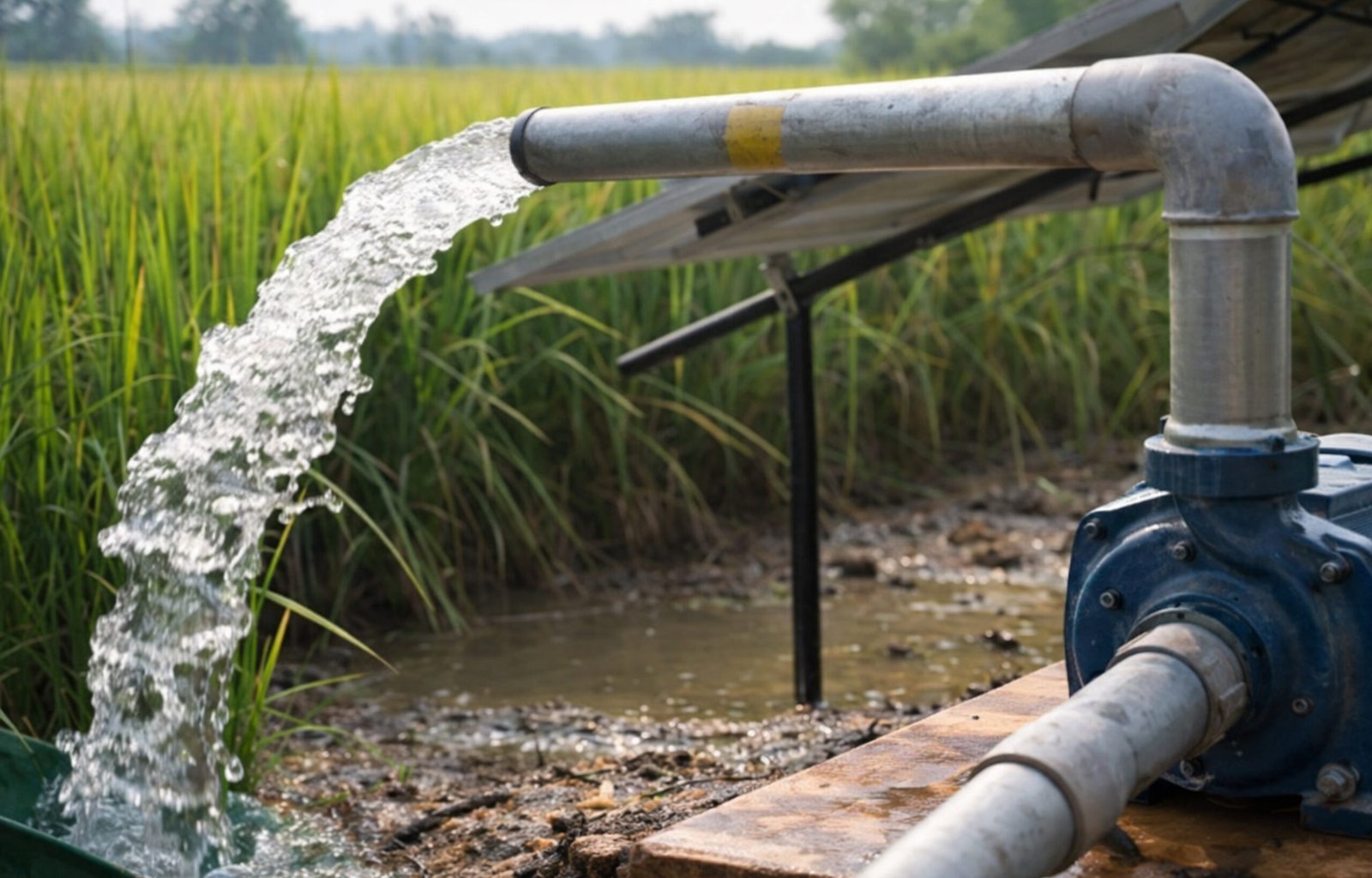
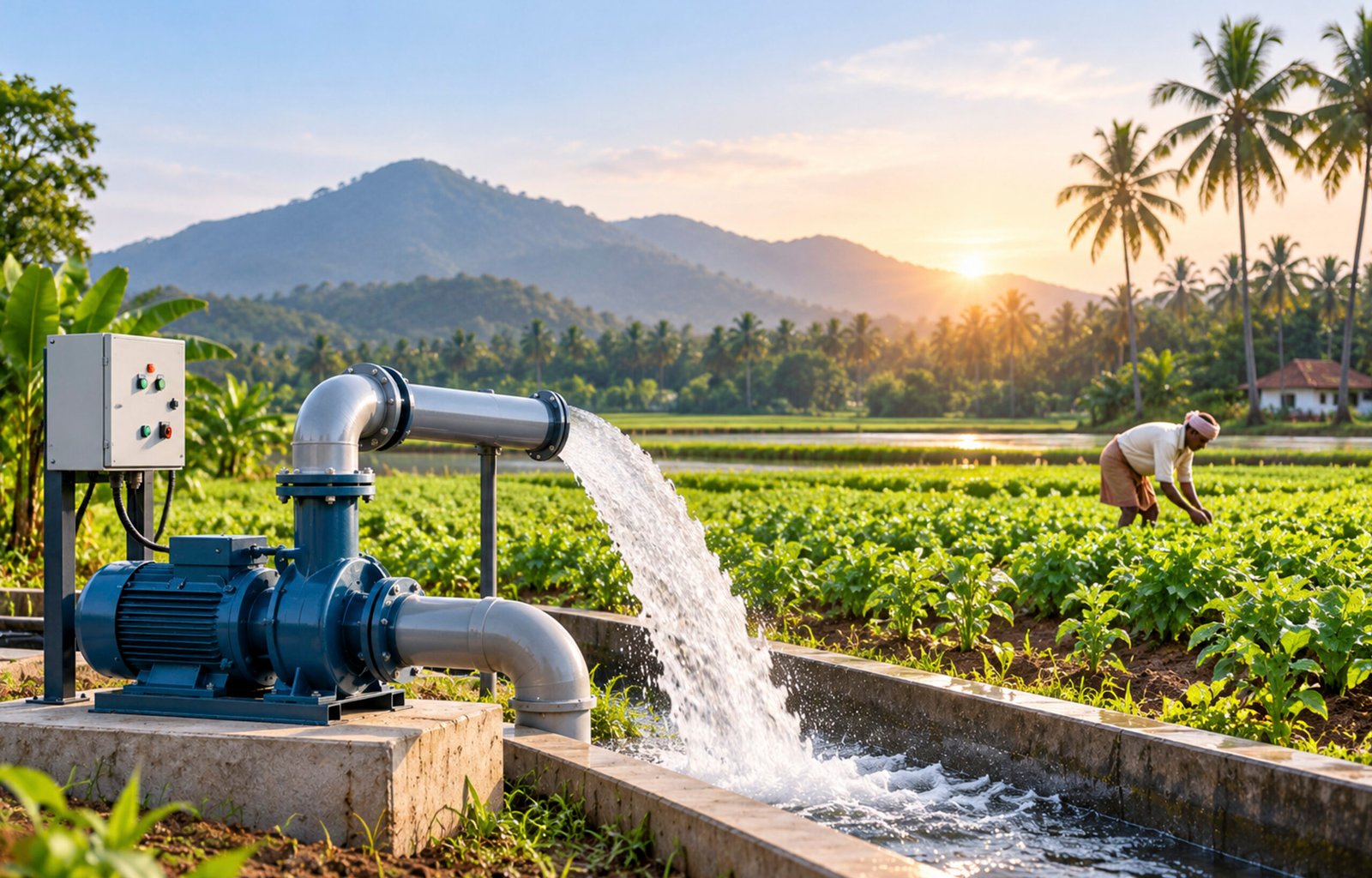
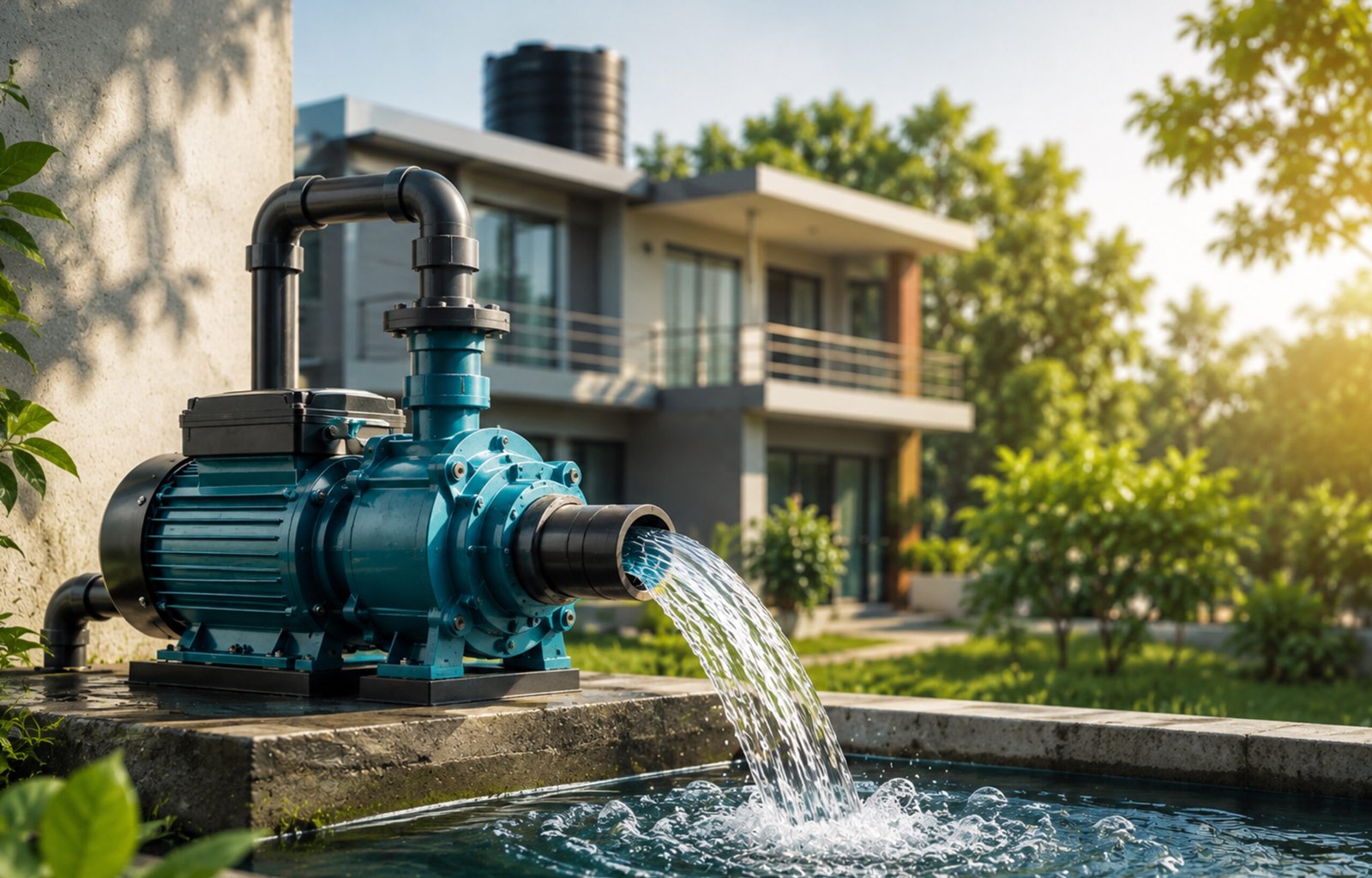
Water is considered the most valuable resource. With an increase in demand for food and changes in climate patterns, farmers are constantly looking for different
ways to manage water usage without compromising crop yield. One of the most effective methods is the usage of agricultural pumps. They have a major role from
irrigation to water distribution.
Efficiency Of Water In Farming
Agriculture always consumes a significant portion of fresh water. But in Kerala regions, farming mostly depends on seasonal rains. Wastage of water not only increases
operational costs but also affects productivity. This is where we understand the use of modern pump systems.
How Pumps Improves Water Efficiency
- Proper Water Distribution: Common water wastage issues can be solved through modern pumps, which always ensure consistent pressure and flow throughout.
- Support for Irrigation Systems: Pumps are the prime element of irrigation systems. They can control water usage, thereby helping farmers to improve crop health.
- Groundwater Extraction: High-quality pumps maintain groundwater level and control extraction, thereby ensuring water is not drawn.
- Energy & cost saving: Efficient pumps always consume less energy, thereby reducing electricity costs so that farmers can lower operational costs.
- Adaptability to different needs: As different crops need different amounts of water, pumps can adjust the flow rate based on crop type, soil structure, and weather.
Role Of Pump Suppliers
The efficiency of a pump system depends upon its durability and performance. Approaching a reliable pump supplier may guide you on selecting the right pumps.
their maintenance costs, and after-sales support.
Technological Advancements
The features like automatic control, sensors, and remote controlling make the pump efficient and smarter. Some pump systems are designed in such a way that flow
rate can be adjusted, ensuring the right amount of water is supplied.
Environmental Benefits
Efficient pumps not only benefit farmers but also reduce wastewater; soil erosion leads to a sustainable environment.
Tips For Maximizing Pump Efficiency
- Selecting the right pump based on agriculture requirements.
- Maintenance of the pump system.
- Cost reduction energy-efficient model
- Monitor water usage and its settings
Pumps have become an irreplaceable part of modern agriculture, especially when it comes to water distribution and irrigation methods. Efficient water distribution is a
necessity now. They help farmers achieve better yields. Partnering with trusted agriculture pump suppliers can help you to move forward for a more productive and
sustainable future.
FAQS
Which type of pump is best for water-efficient farming?
The type of pump depends upon your crop type and source of water. Most of the agriculture pump suppliers recommend submersible pumps or drip irrigation
pumps.
Why is it important to buy from reliable pump suppliers in Kerala?
If you are looking for durable, cost-efficient, and installation-guidance-supported products, purchasing from a reliable pump supplier will help you a lot.
Are energy-efficient pumps worth the investment for farmers?
Energy-efficient pumps reduce electricity consumption and operational costs, thereby becoming a worthy investment for farmers.
What role do pumps play in drip irrigation systems?
Pumps are essential for maintaining correct pressure and flow in drip irrigation systems. A reliable pump supplier can help farmers to choose pumps.