In a small house, water problems are manageable. You store a little extra, adjust for a day, and move on.
In a large building, it is a completely different story.
The moment water stops—or even slows down—everything feels it. Not just one flat or one office, but the entire building. That is when people realize something
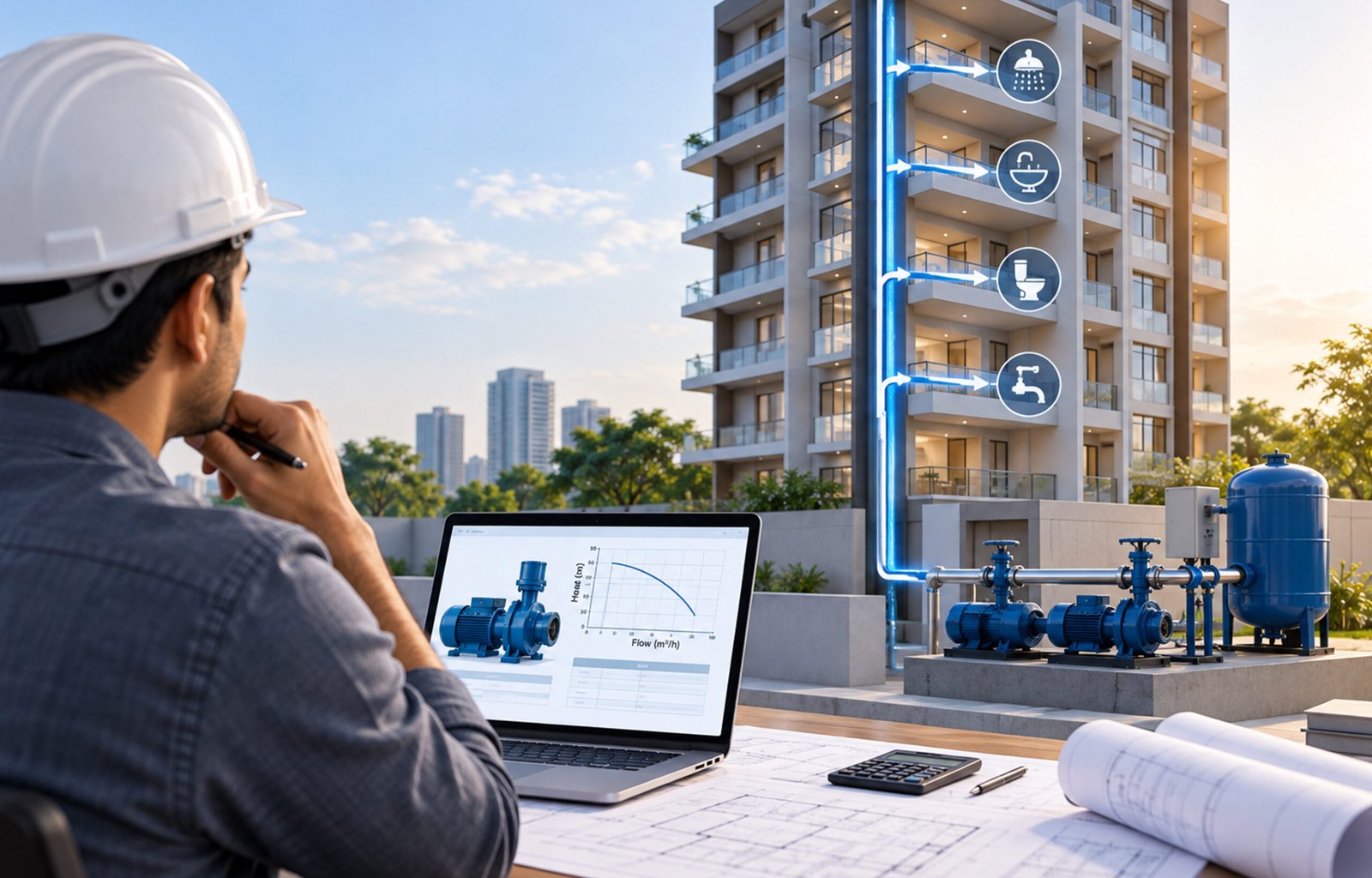
Simple: water does not reach the 10th or 15th floor on its own.
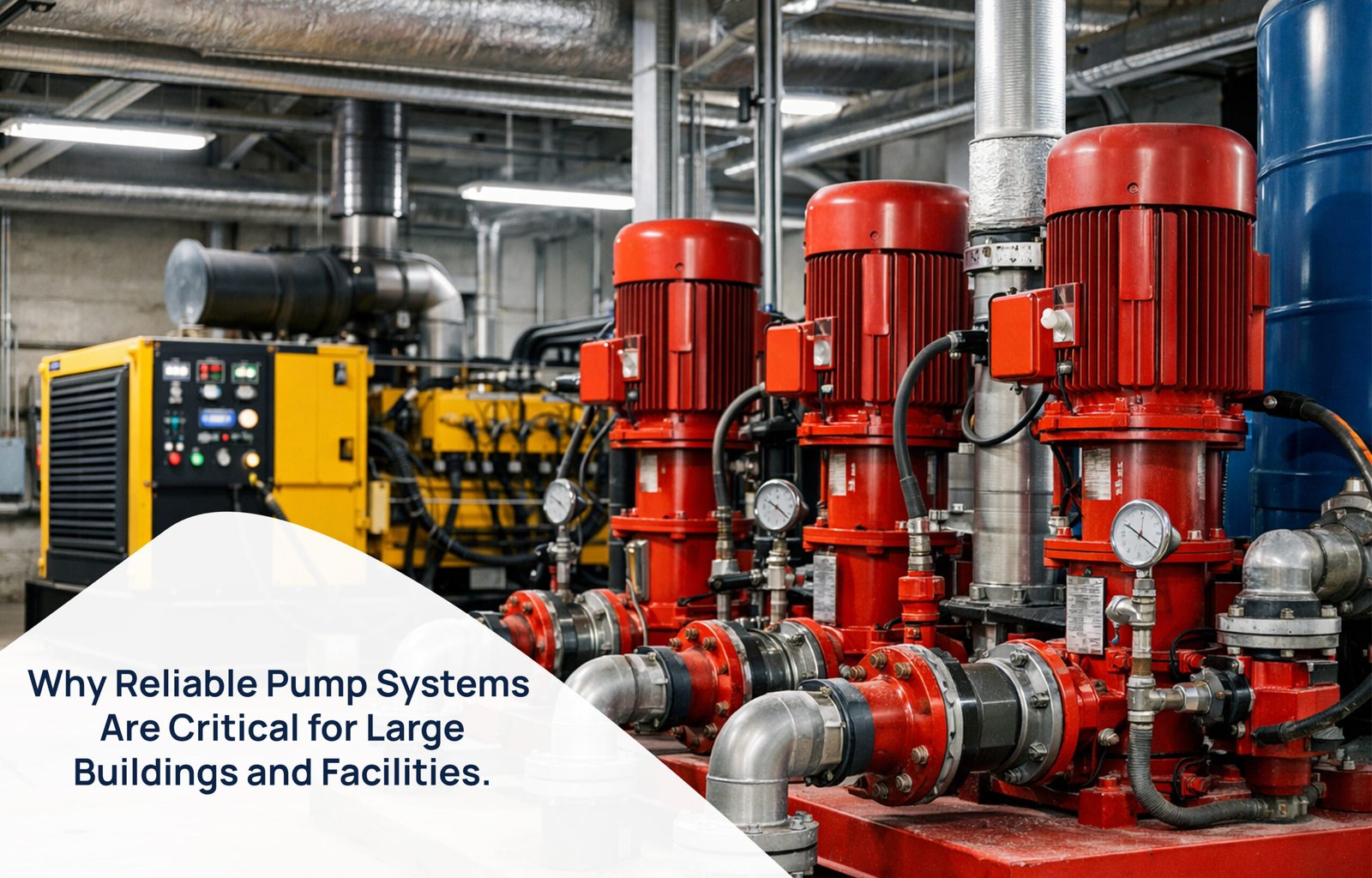
It depends on a pump. And more importantly, a reliable one.
Most people don’t think about this until something goes wrong. Facility managers, however, usually learn this early. That is why they often spend time speaking with
pump suppliers before finalizing any system.
It’s always working… Until It Isn’t
In large residential towers or commercial spaces, pumps run almost all day. Morning hours, especially, are heavy. Everyone needs water at the same time—homes,
offices, cleaning staff, and sometimes even cooling systems.
If the pump is not designed for that kind of demand, pressure starts dropping. Slowly at first. Then noticeably.
You may have seen this—one floor gets good flow, another barely gets enough.
That is not a small issue. It is usually a sign that the system was not planned properly.
It’s Not Just Convenience
Water supply is one part. Safety is another.
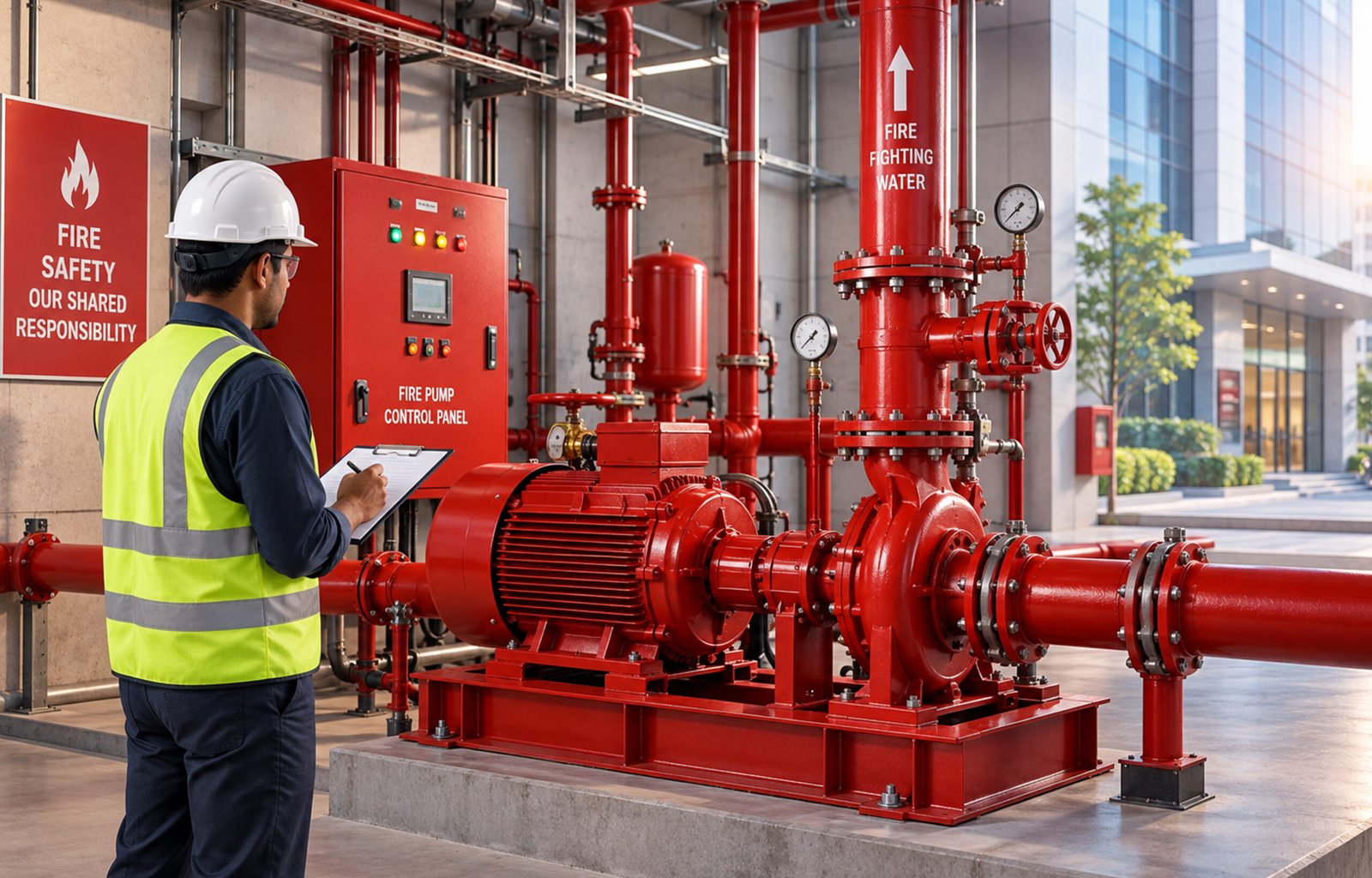
Fire-fighting systems in buildings depend heavily on pumps. In an emergency, there is no time to “check” whether the system works. It simply has to.
This is also where power backup becomes important. Because a pump without electricity is just equipment sitting idle.
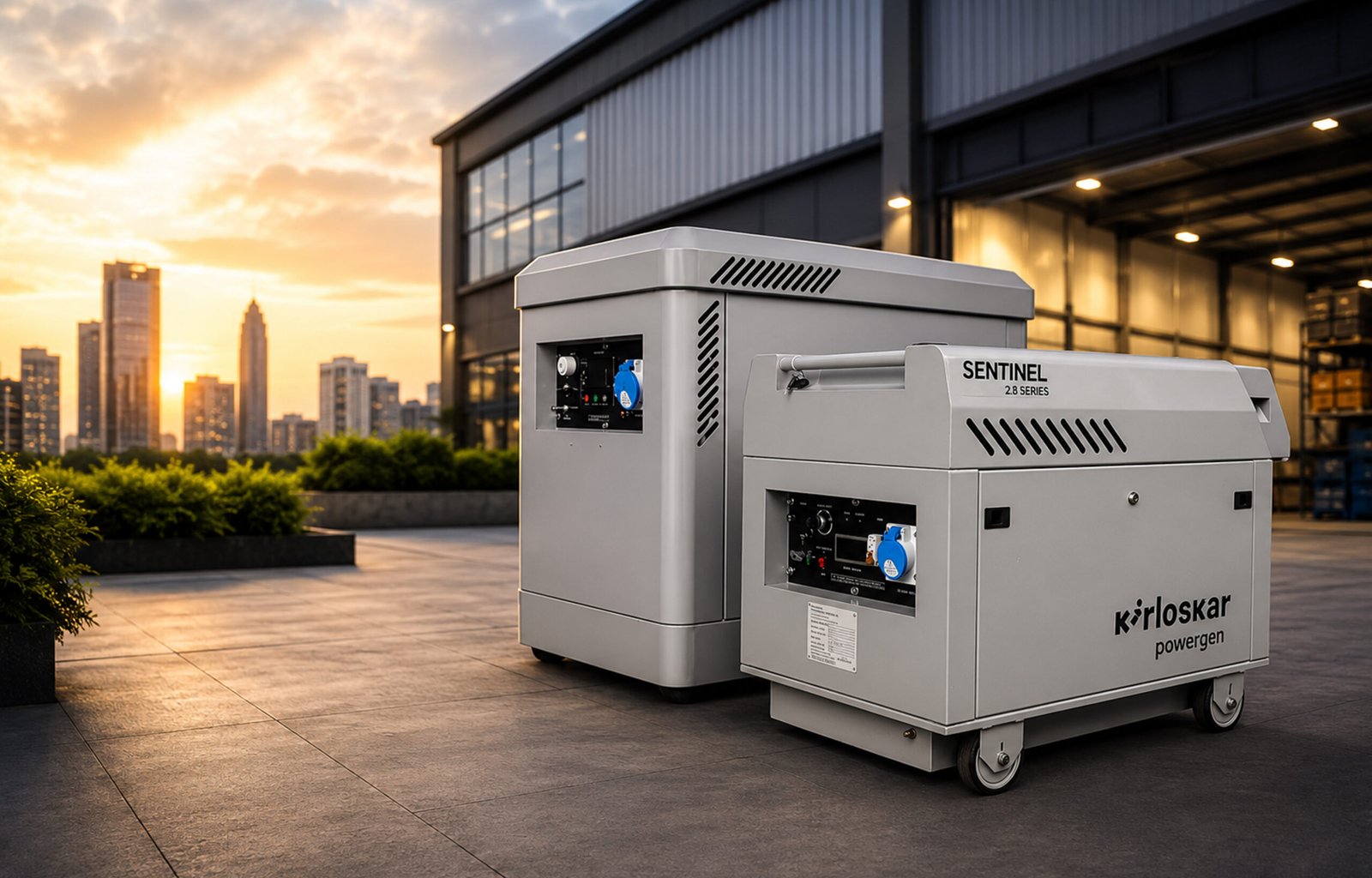
That is why, in many projects, discussions with generator dealers happen alongside pump planning. Both systems need to support each other.
When Things Stop, Everything Stops
In places like hospitals, hotels, or even busy office buildings, a pump failure is not just inconvenient—it becomes a serious operational problem.
Restrooms stop functioning. Cleaning is affected. In some cases, businesses slow down or pause completely.
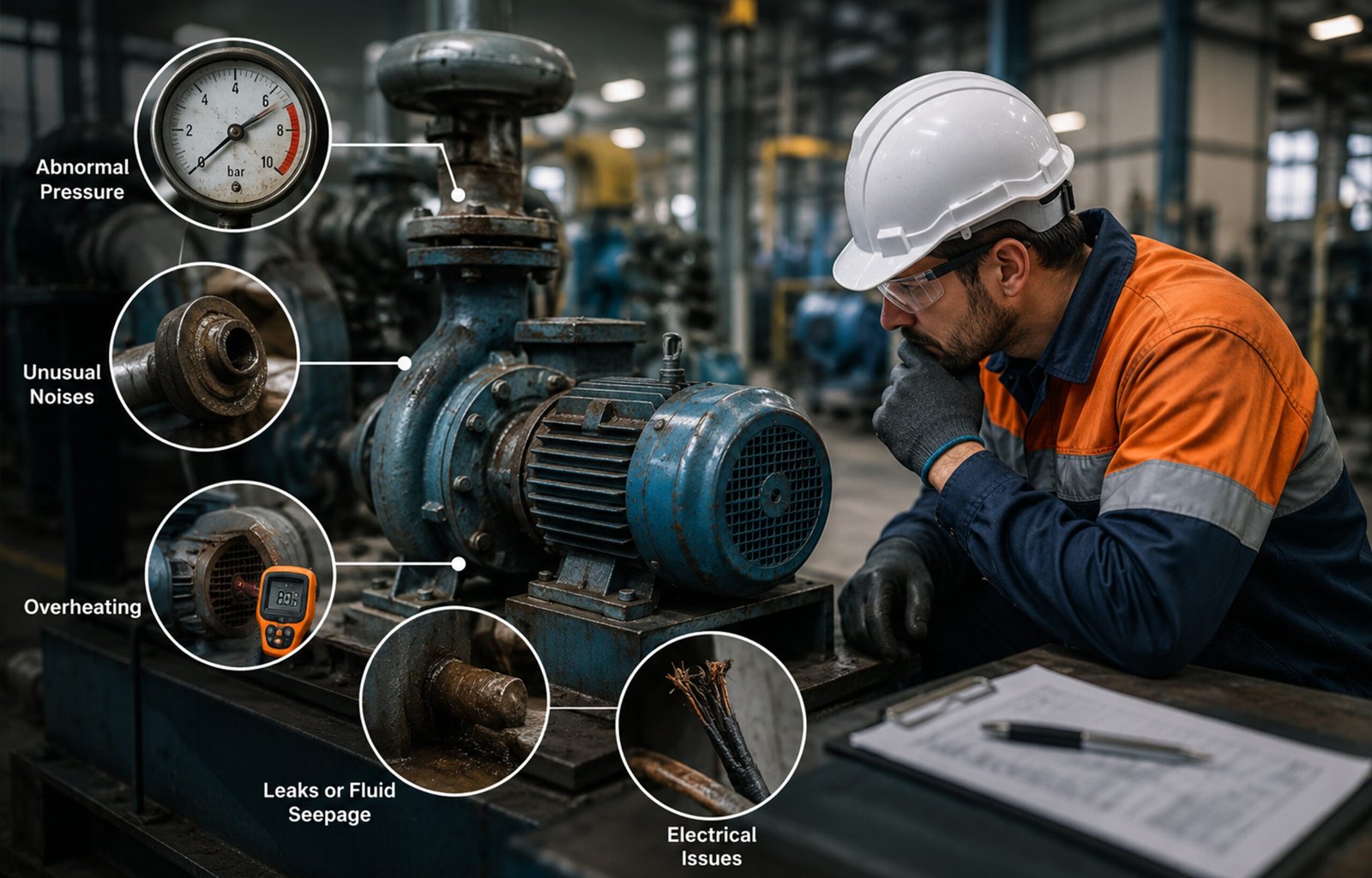
And the bigger issue? These problems rarely come with a warning. It is usually sudden.
Which is why many building owners prefer working with experienced pump suppliers who look beyond just selling equipment. They look at usage, load, and long-
term reliability.
So What Really Matters?
Not just the pump itself.
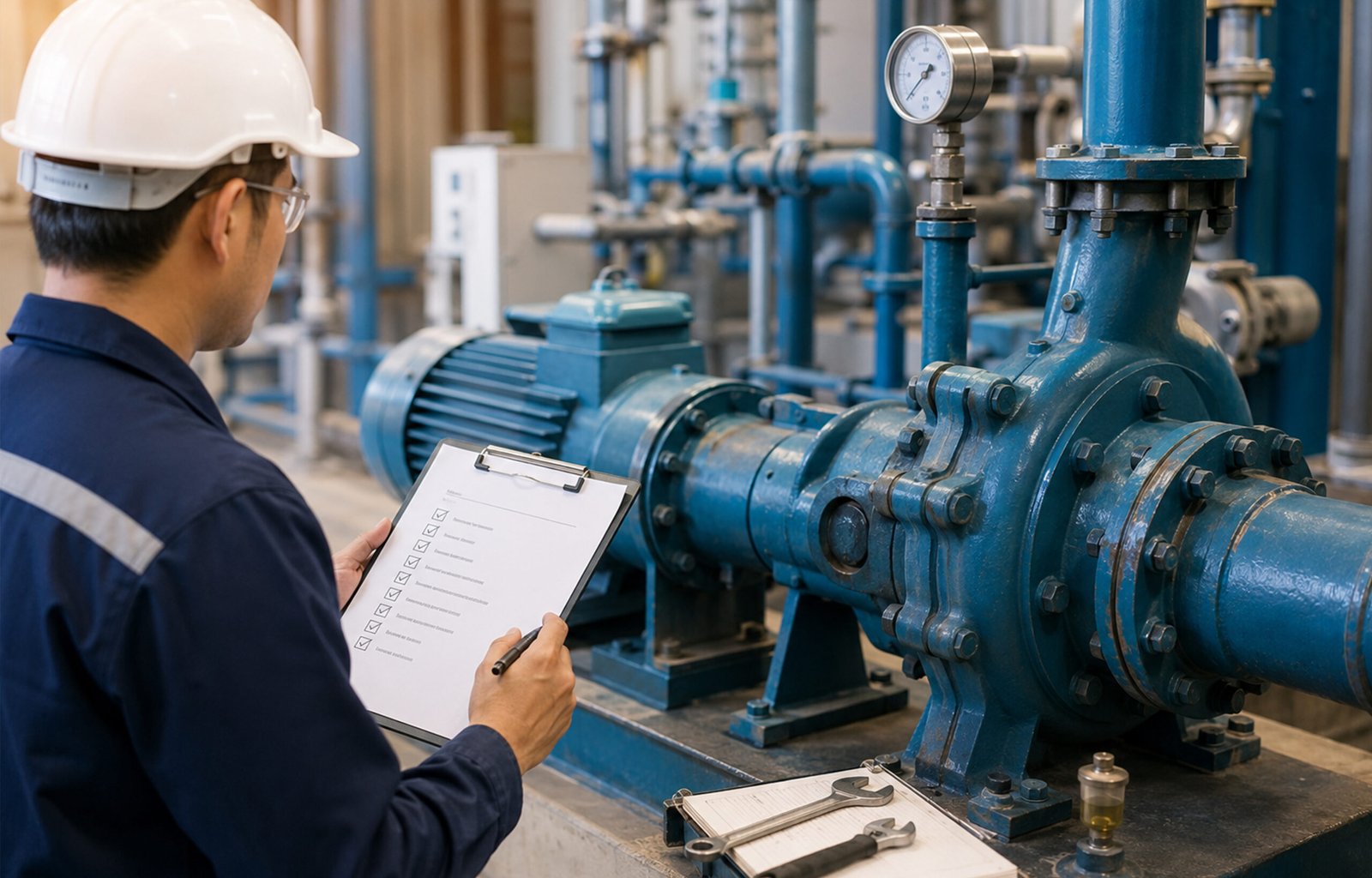
It is the way the entire system is planned—capacity, pressure handling, backup support, and how it performs during peak demand.
A slightly underpowered system may work fine on paper. In real life, it struggles.
And fixing it later is always more complicated than getting it right the first time.
FAQs
1. Why do large buildings need strong pump systems?
Because water has to be lifted and distributed across multiple floors with consistent pressure throughout the day.
2. What causes low water pressure in buildings?
Often, it is due to an undersized or inefficient pump system that cannot handle peak demand.
3. Do pumps need backup power?
Yes. Without backup, pumps stop during power cuts. Many generator dealers help ensure uninterrupted operation.
4. How can I choose the right pump system?
By consulting experienced pump suppliers who understand real usage conditions, not just technical specifications.
The Right System Makes All the Difference
A good pump system is rarely noticed—and that is exactly how it should be. It keeps everything running quietly in the background.
If you are planning or managing a large facility, it helps to get guidance from people who understand both water systems and power backup.
Blue Diamond Agencies, known among reliable pump suppliers and generator dealers, offers practical solutions tailored to real-world needs. Their team helps ensure
that your building runs smoothly—without interruptions that no one sees coming until it is too late.