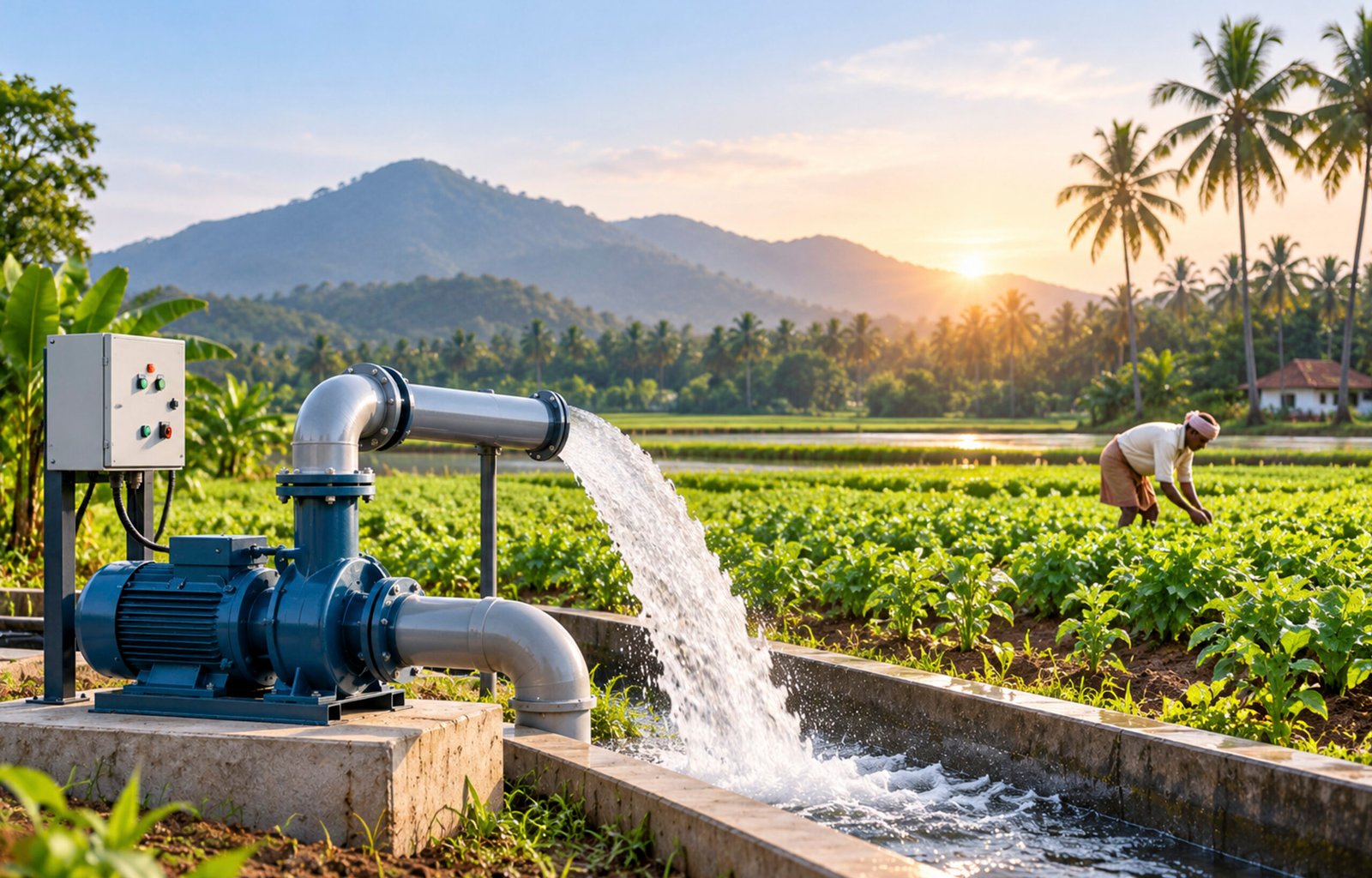
Walk through Kerala’s farmlands and you’ll see one thing everywhere — water. It’s what keeps the fields alive and the crops growing. For years, farmers have relied on electric pumps to draw water from wells and canals. They’ve done the job well enough.
But lately, something new has been catching everyone’s eye — solar pumps. Clean, quiet, and running straight on sunlight. The question now is simple: which works better for Kerala’s climate — solar or electric?
Let’s figure that out, step by step.
- Power Supply and Reliability
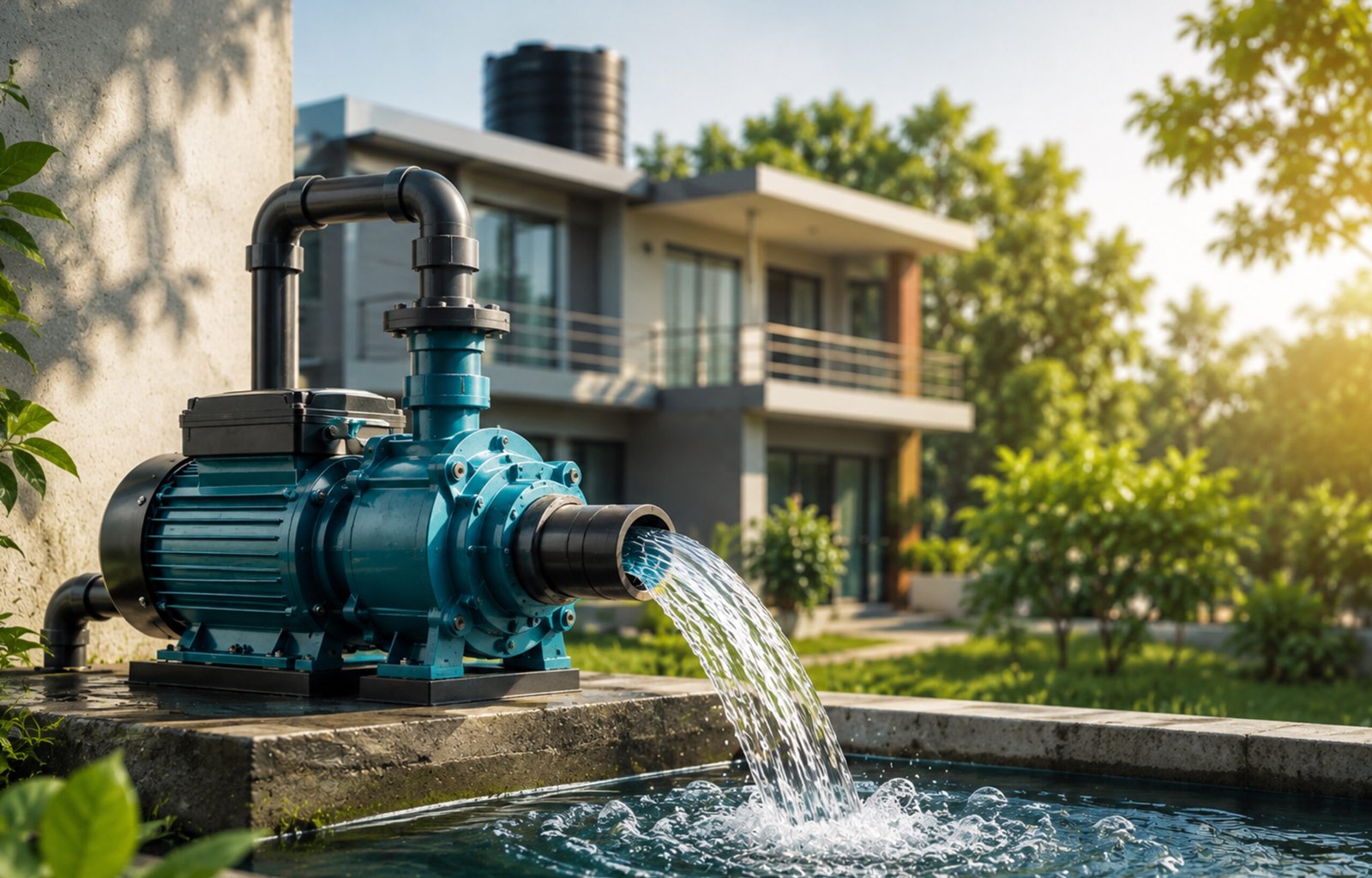
Here’s the thing—electric pumps are great when the power is steady. But we all know Kerala’s grid can be unpredictable, especially in the countryside. Power cuts don’t wait for your irrigation schedule.
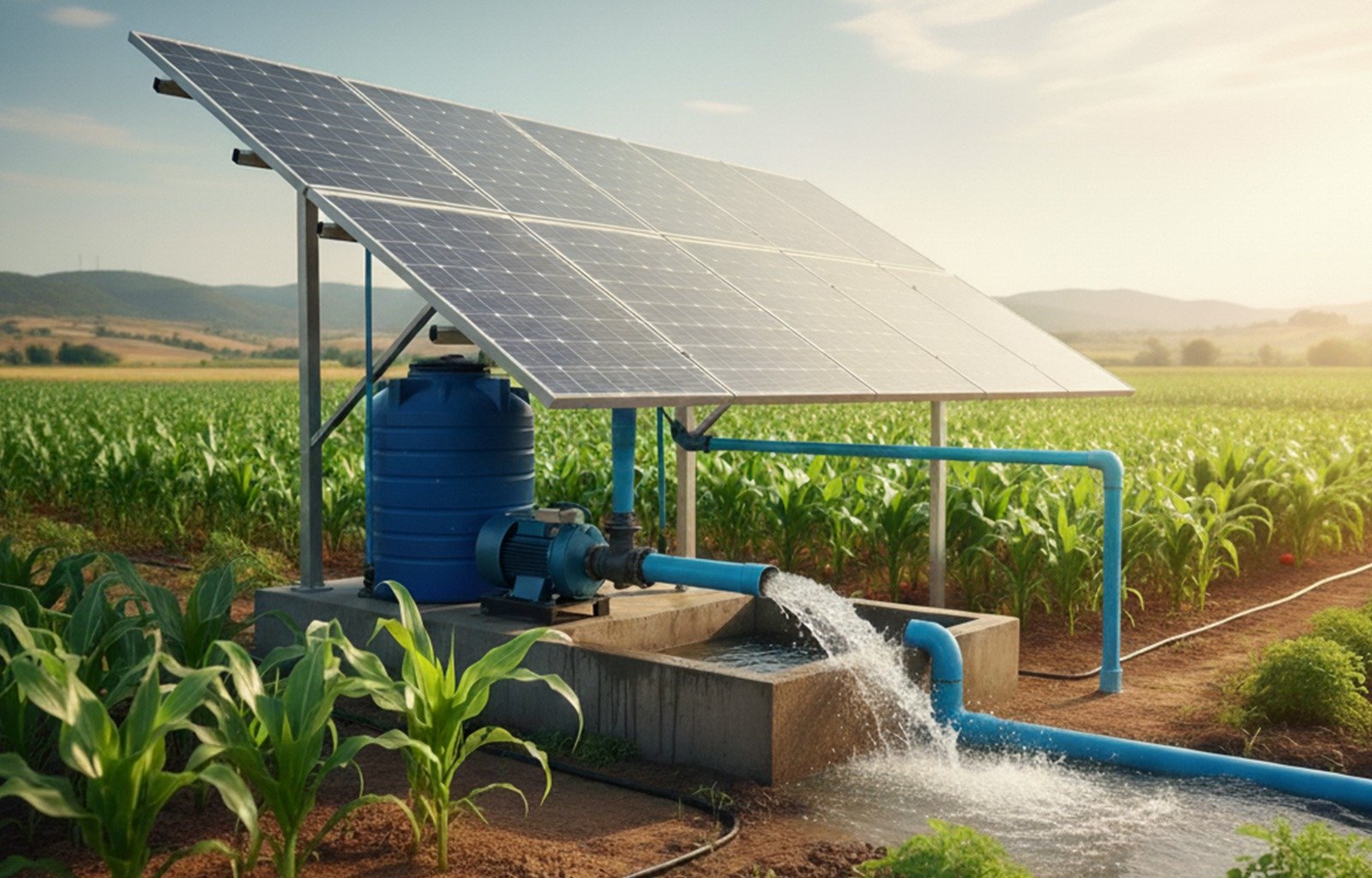
Solar pumps, on the other hand, don’t care about the grid. If there’s sunlight, there’s water. They run directly from solar panels, with no wires stretching across the field. For reliability, especially in rural areas, solar takes the lead.
- Cost — The Real Decider
At first glance, electric pumps look cheaper. You pay less upfront and plug them in. Simple.
But after a few seasons, the bills start to bite—electricity, maintenance, and sometimes motor rewinding.
Solar pumps are the opposite. You pay more initially, but then you stop paying every month. The sun doesn’t send bills. Clean the panels once in a while, and they’ll serve you quietly for years. Over time, solar turns out to be cheaper by a wide margin.
- Kerala’s Climate and Sunlight
This is where Kerala shines — literally. Most parts of the state get plenty of sunlight throughout the year. Even during the monsoon, there are bright breaks between showers. That’s enough for a good solar pump setup to work efficiently.
Electric pumps still make sense where sunlight is blocked by hills or dense trees, but in open farmlands, solar fits like a glove.
- Performance and Maintenance
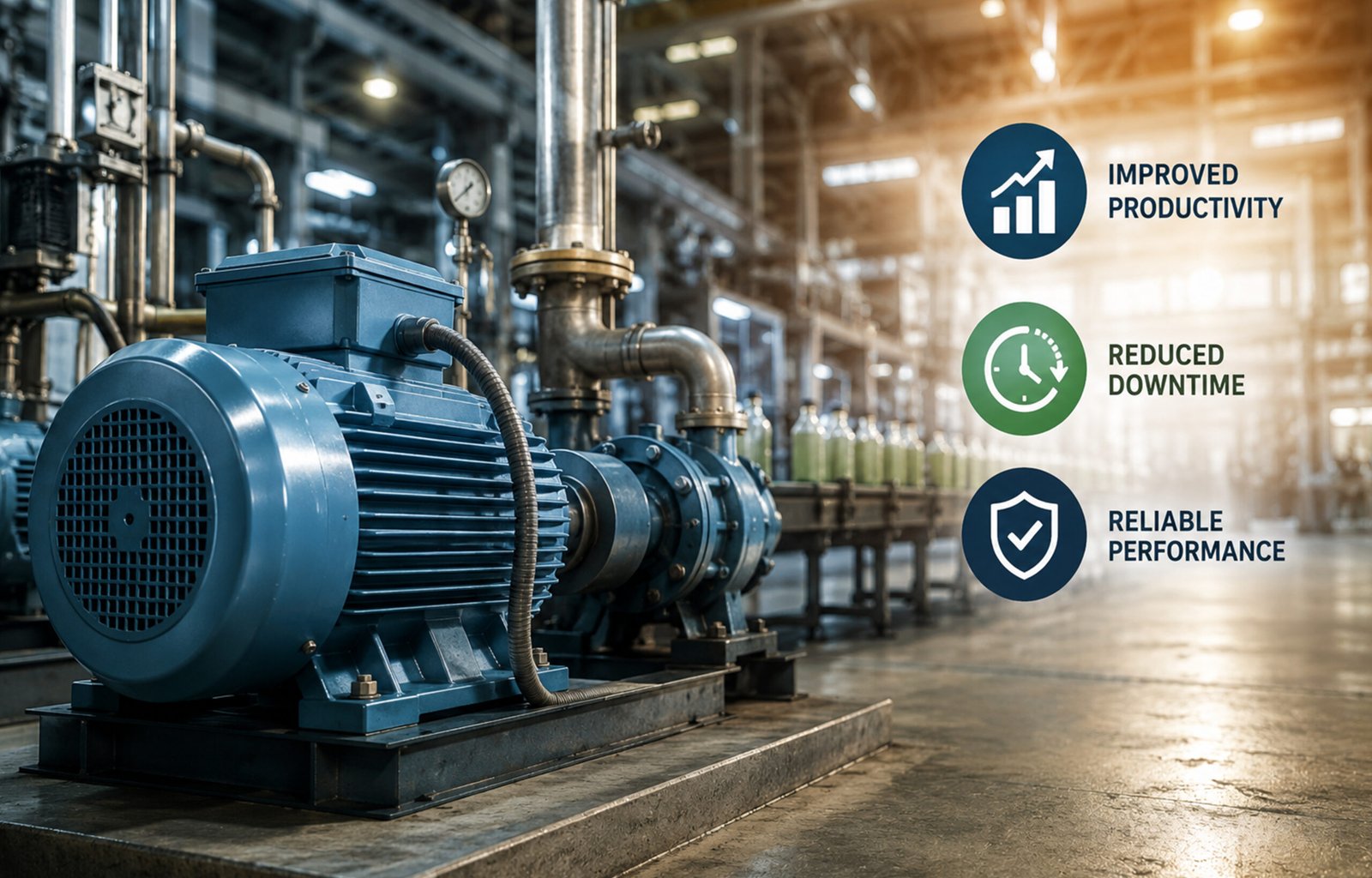
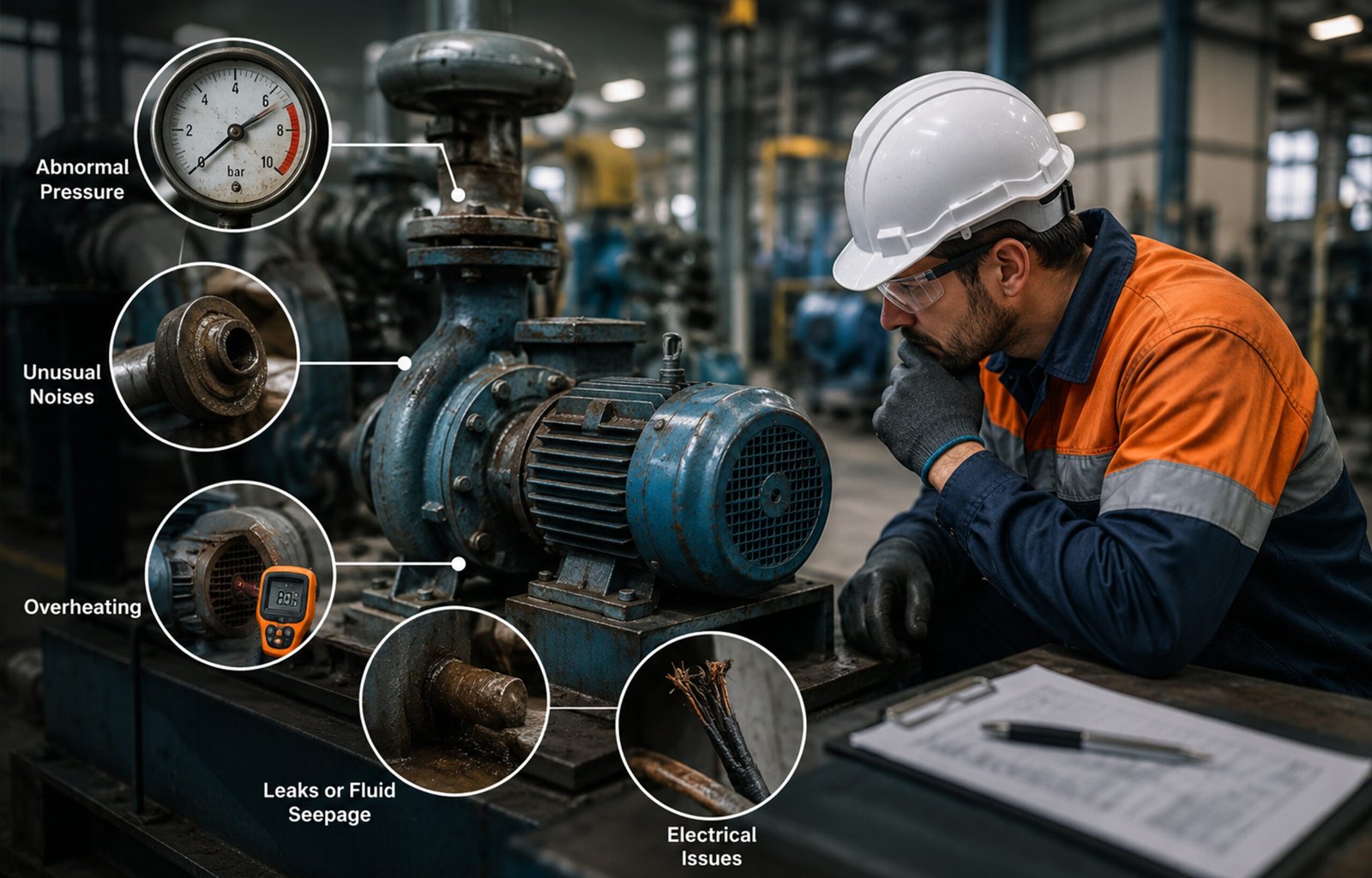
Electric pumps have more moving parts and depend on stable voltage. That means more wear and tear. Solar pumps are simpler—fewer parts, fewer repairs.
And because they work silently underwater, they don’t heat up or vibrate much. A quick cleaning and a basic check-up once in a while — that’s all they ask for.
- The Eco-Friendly Edge
Kerala’s strength has always been its green cover. Solar pumps keep that promise. They don’t release smoke, don’t add carbon, and don’t harm the soil or air.
Electric pumps rely on power from fossil fuels, so they indirectly contribute to emissions. When you switch to solar, you’re not just saving money — you’re doing your bit for the environment.
- Monsoon Challenges
Now, no system is perfect. During long stretches of rain, solar output drops. But today’s pumps are smart — they can pair with battery backups or hybrid systems that use both solar and grid power.
So even when the sky turns grey, your fields don’t have to wait.
FAQs
- Do solar pumps work during cloudy weather?
Yes. Even diffused sunlight can power them. For continuous water needs, hybrid models are a great option.
- Are solar pumps suitable for all farms?
Definitely. From paddy fields to plantations, you can size the system based on your crop and water depth.
- What’s the lifespan of a solar pump?
Usually 15 years or more, with minimal maintenance. Panels often last even longer.
- Which is easier to maintain?
Solar wins again. Keep the panels clean, check the cables — that’s about it. Electric pumps need more frequent servicing.
- Who provides reliable pumps in Kerala?
Blue Diamond Agencies, one of Kerala’s trusted distributors, offers both solar and electric pumps with complete installation and after-sales support.
Final Thoughts
Kerala’s weather gives us something precious — sunlight almost all year round. Ignoring that would be a waste. Electric pumps have served well for decades, but the future feels solar—cleaner, cheaper, and more reliable.
If you’re still unsure which one fits your land, Blue Diamond Agencies can help you choose the right system. They’ve been doing this for years, and they understand what works best for Kerala’s soil and sunshine.
Talk to Blue Diamond Agencies today and discover how the power of the sun can turn your field into a self-sustaining success story.