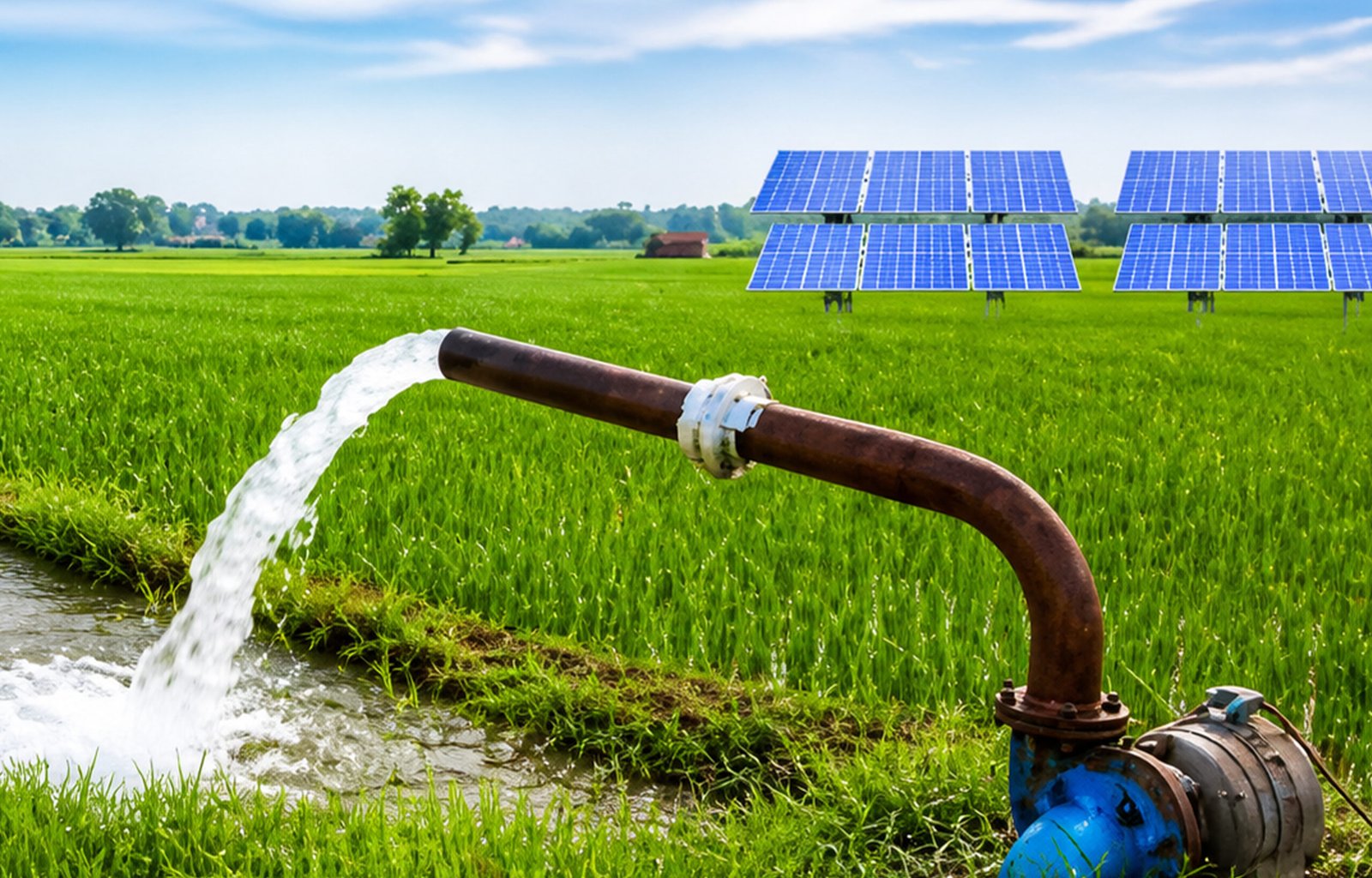
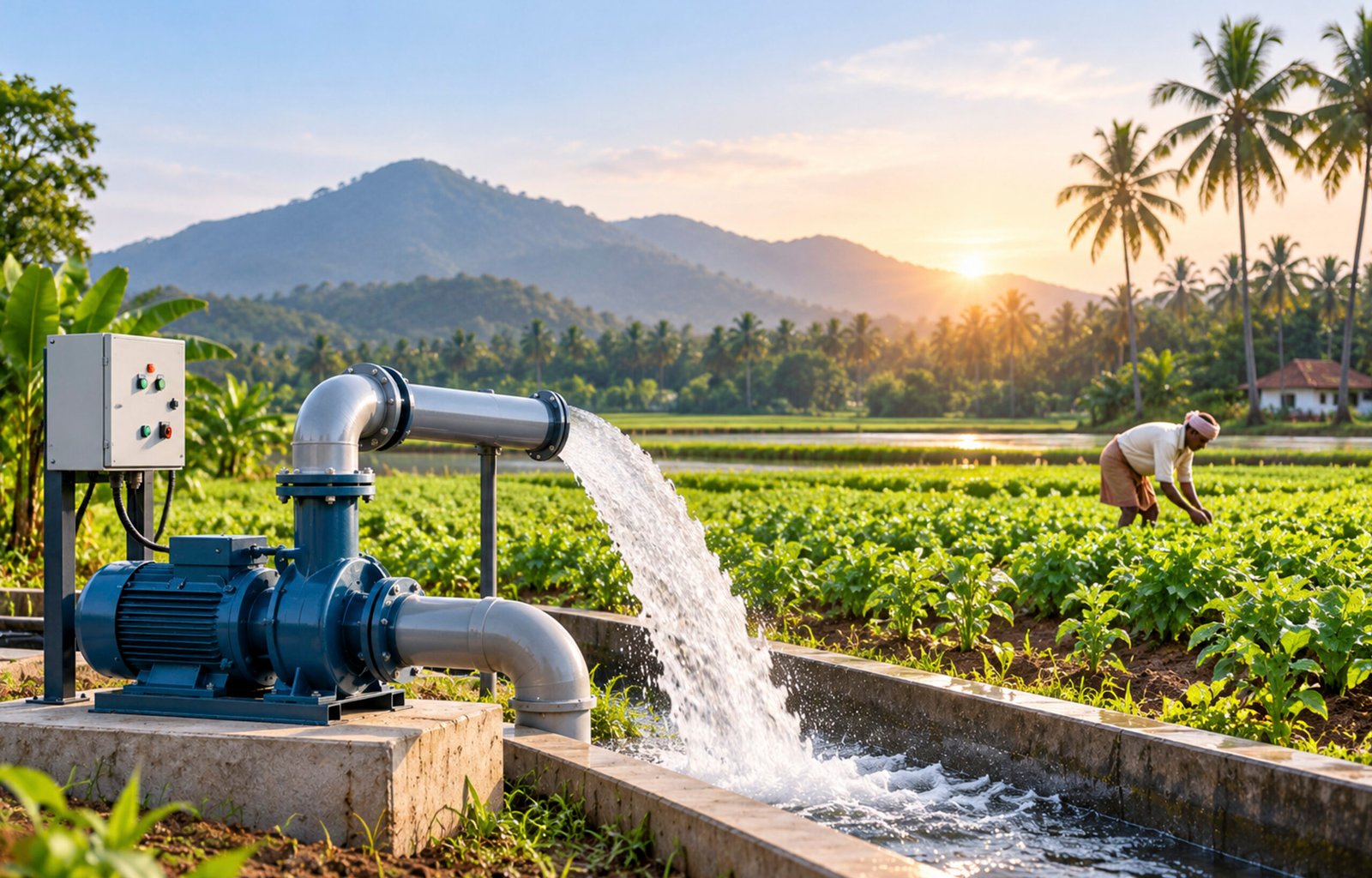
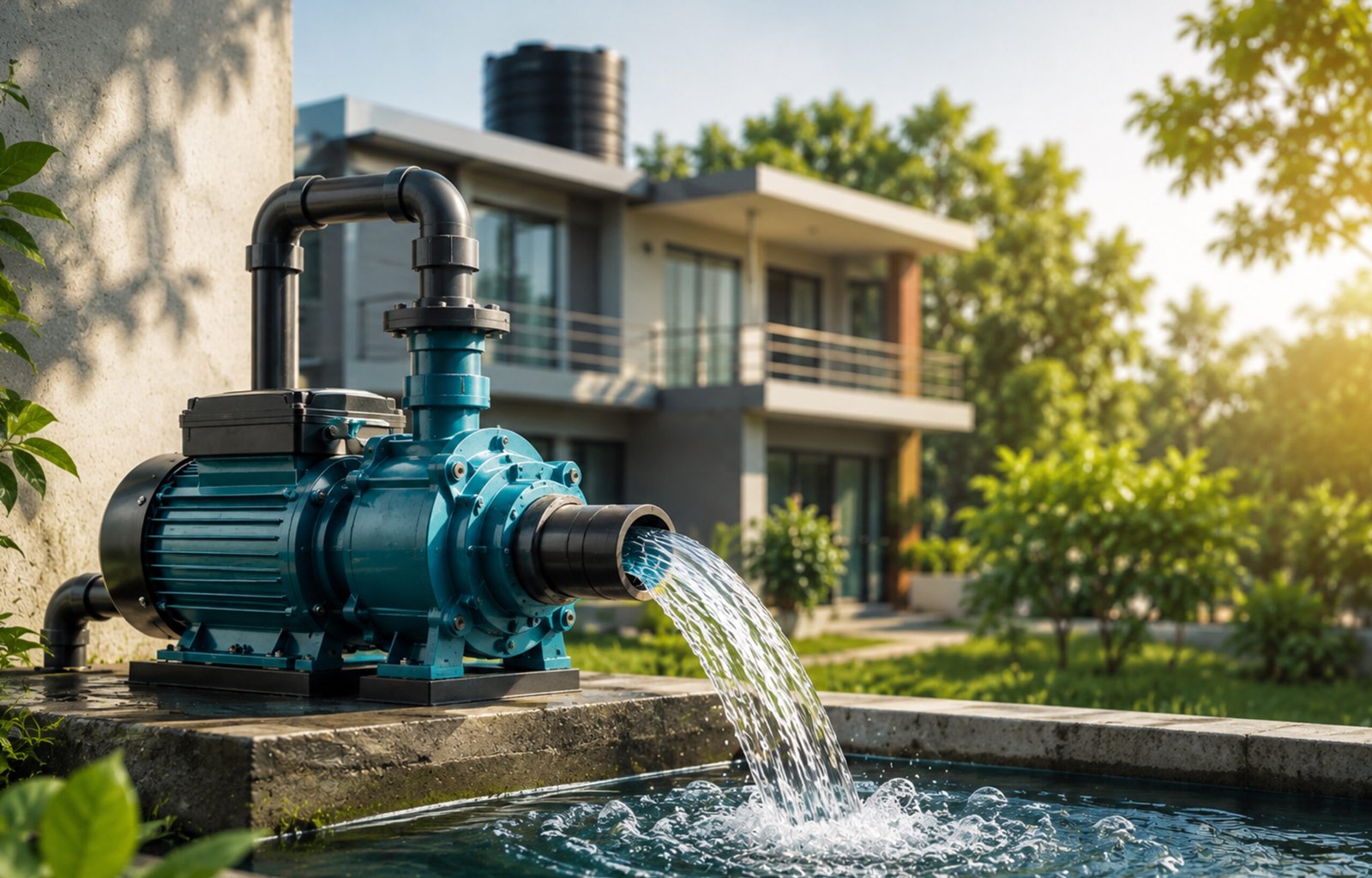
A major shift has been noticed in India’s agriculture and water management systems. For decades, rural and urban areas have been using diesel-powered pumps for irrigation. But now the most cost-effective pump wins the game: solar water pumps. Most people are moving away from diesel systems from small farms to large-scale agricultural operations. This shift is mainly due to rising fuel costs, environmental concerns, and the need for reliable water access. Let’s have a look at why solar water pumps are steadily replacing diesel pumps across India.
Growing Irrigation Demand
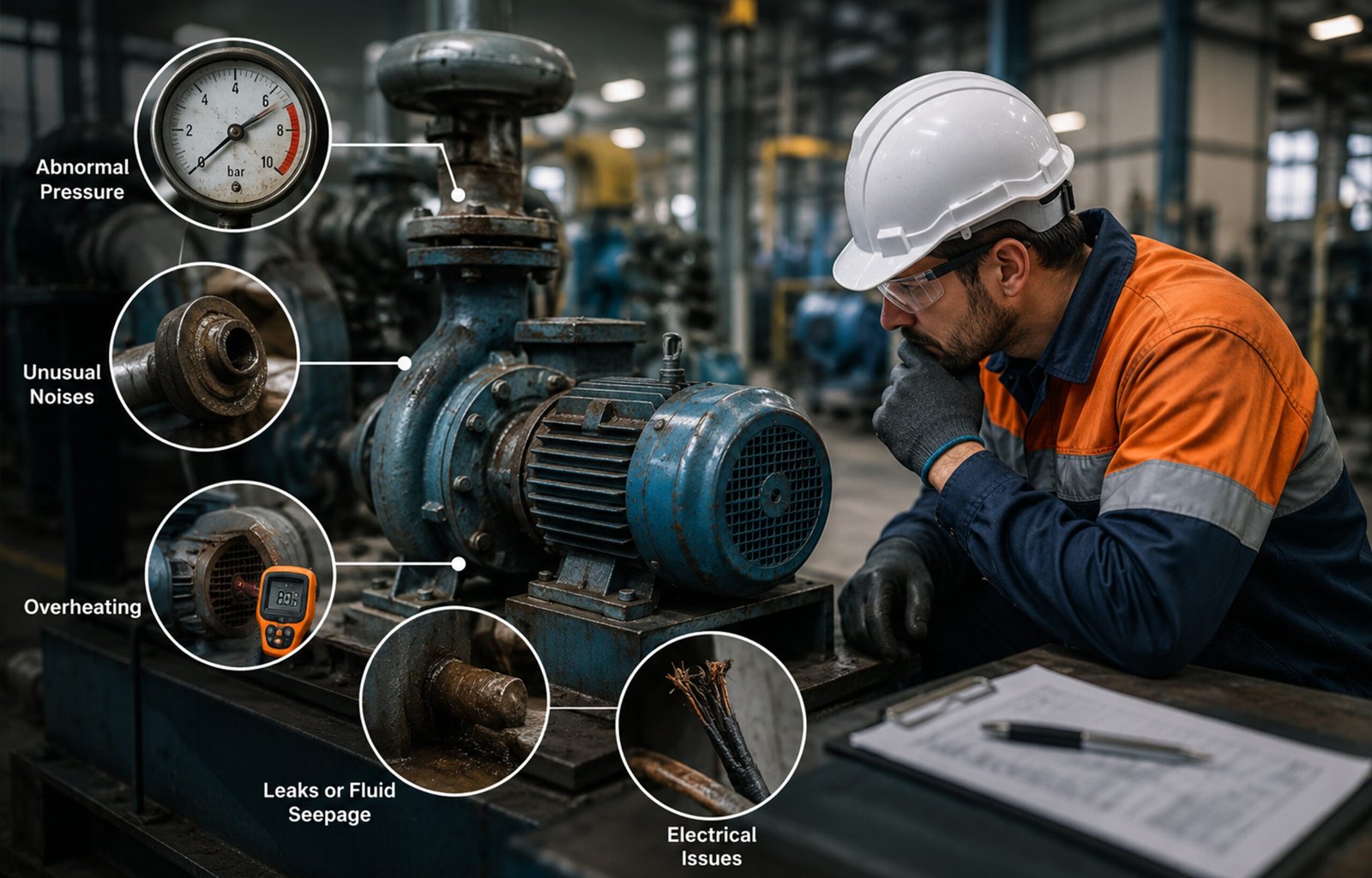
Water is the backbone of Indian agriculture. Previously, most of the farmers depended heavily on pumps to irrigate crops, especially in areas where there is minimal rainfall. Slowly it has been changed to diesel pumps because they are easy to install and no electricity is needed for operation. But as years passed on, the challenges associated with diesel pumps have become more evident:
- Due to Increasing diesel prices
- High maintenance costs
- Frequent breakdowns
- Environmental pollution
Due to this, many farmers are now using solar water pump dealers, which offer a long-term solution with fewer operational headaches.
Uncontrollable Rise In Fuel Costs
Due to the continuous rise in the cost of diesel, farmers who completely depend upon diesel pumps face financial struggles. So they are shifted towards using solar water pumps. Unlike diesel systems, solar water pumps run on sunlight, which is completely free. Once they are installed, the operating cost is almost controllable. Hence, farmers find solar pumps a smart investment. But in some areas diesel pump dealers still serve a large market where solar technology is changing buyers’ preferences.
Sustainable Eco-Friendly Solution
The gases coming out from diesel pumps are very dangerous; they might cause damage to the environment and also create health issues for farmers and nearby resident communities.
While solar water pumps, on the other hand:
- No harmful emissions
- Reduced carbon footprint
- Support sustainable farming practices
Hence, solar pumps are becoming a preferred choice for eco-conscious users.
Low Maintenance Cost
Diesel pumps have a complex system that requires regular maintenance such as oil changes, engine servicing, frequent repairs, etc. Severe breakdowns during critical irrigation periods can lead to crop loss.
On the other hand, solar water pumps are much simpler in design:
- Fewer moving parts
- No need of fuel handling
- Minimal maintenance requirements
Due to this, many farmers are shifting toward solutions provided by trusted solar water pump dealers.
Perfect For Remote Areas
In India there are regions that still face inconsistent electricity supply, so diesel pumps were once the only alternative in such regions. But transporting and storing diesel in remote locations is not always convenient. While solar pumps can effectively solve this problem by operating independently, which is perfect for remote farms. The only thing to make sure of is the uninterrupted water supply.
Government support Through Subsidies
There are various schemes for solar irrigation systems promoted by the Indian government. These schemes can provide an initial installment for solar pumps, which effectively helps farmers a lot.
Benefits of Long-Term Investment
Initially most of us feel solar pumps may be expensive compared to diesel pumps. But when you consider the long-term savings, the picture changes completely. In a few years you can see the rise in price of diesel pumps; this makes solar pumps a perfect decision in the long run.
Are Diesel Pumps Becoming Obsolete?
The use of diesel pumps is not disappearing. It has been used by many industries, and also they are still used in areas with limited sunlight or for emergency backup. But the priority of diesel pumps has been changed. Even many of them are using solar-powered solutions to stay relevant.
FAQS
Where can I buy reliable solar water pumps in India?
You can purchase them from Blue Diamond Agencies, one of the trusted solar water pump dealers who offer installation, customization, and after-sales support.
Are solar water pumps worthy for all types of farms?
Yes, depending upon a farm’s capacity, solar pumps can be used in small, medium, and large farms.
Can solar pumps be used for purposes other than irrigation?
Yes, they can be used for drinking water supply, garden maintenance, and small-scale industrial applications.
How do solar pumps perform compared to electric pumps?
Solar pumps are better in areas with unreliable electricity and are also independent from power cuts, whereas electric pumps completely depend on electricity.