For many homes and businesses, a generator is no longer a luxury. It is simply practical. When the power goes out, work cannot stop, machines cannot sit idle, and daily routines cannot wait.
But once you start exploring options, one question often comes up: Should you choose a diesel generator or a petrol generator?
Both can provide reliable backup power, yet they suit different kinds of usage. Understanding this difference makes the decision much easier before approaching generator suppliers in Kerala.
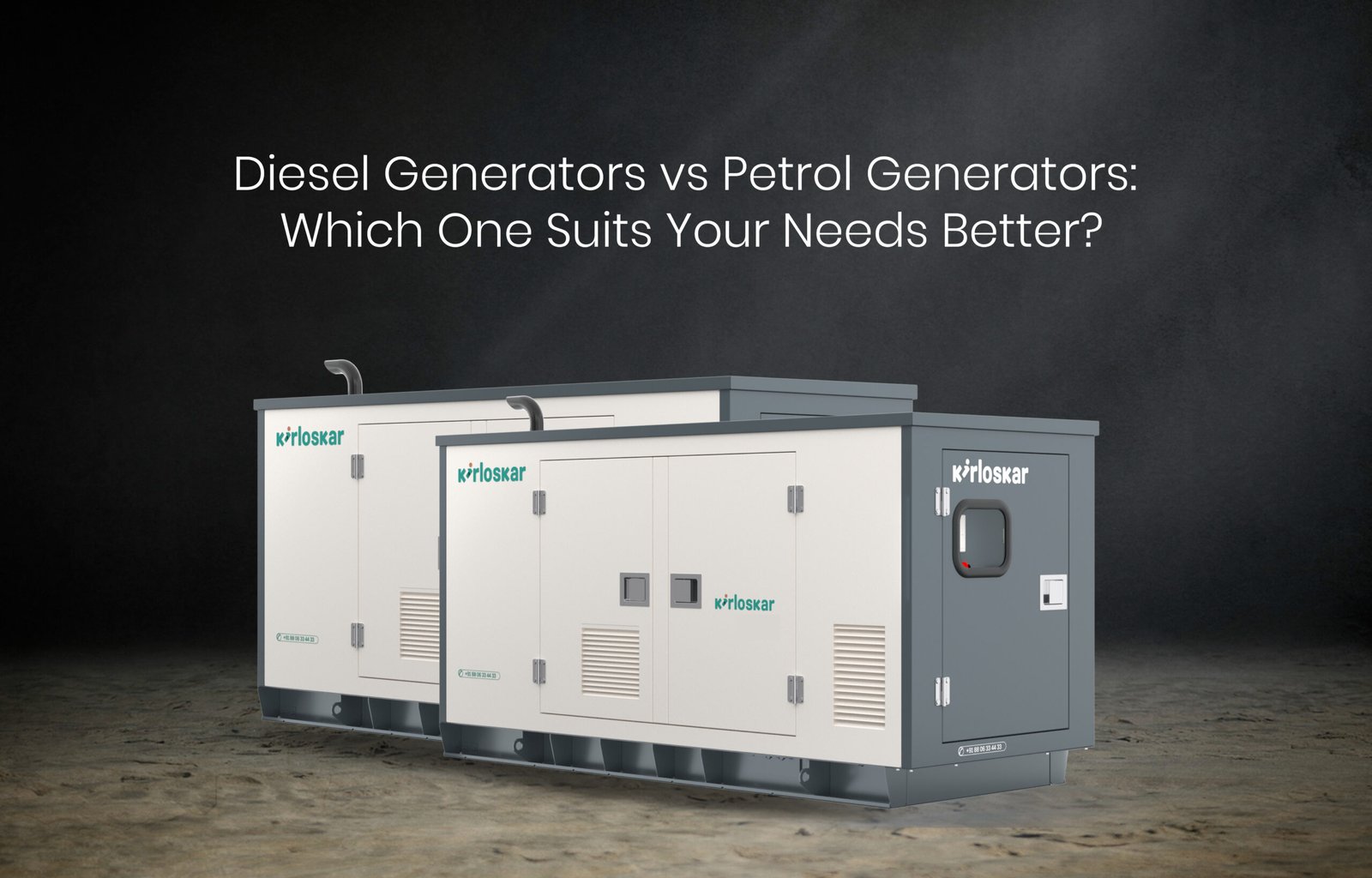
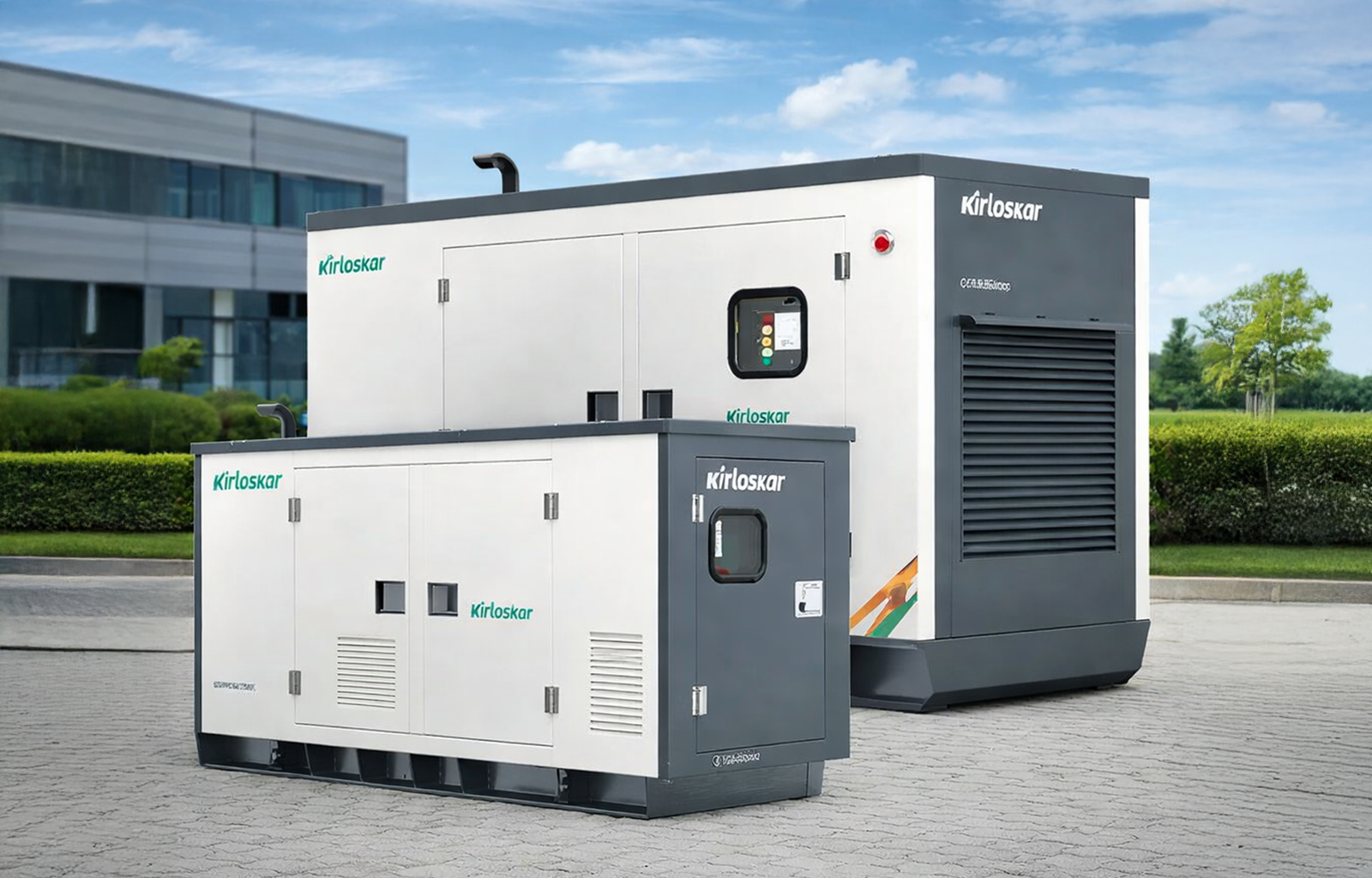
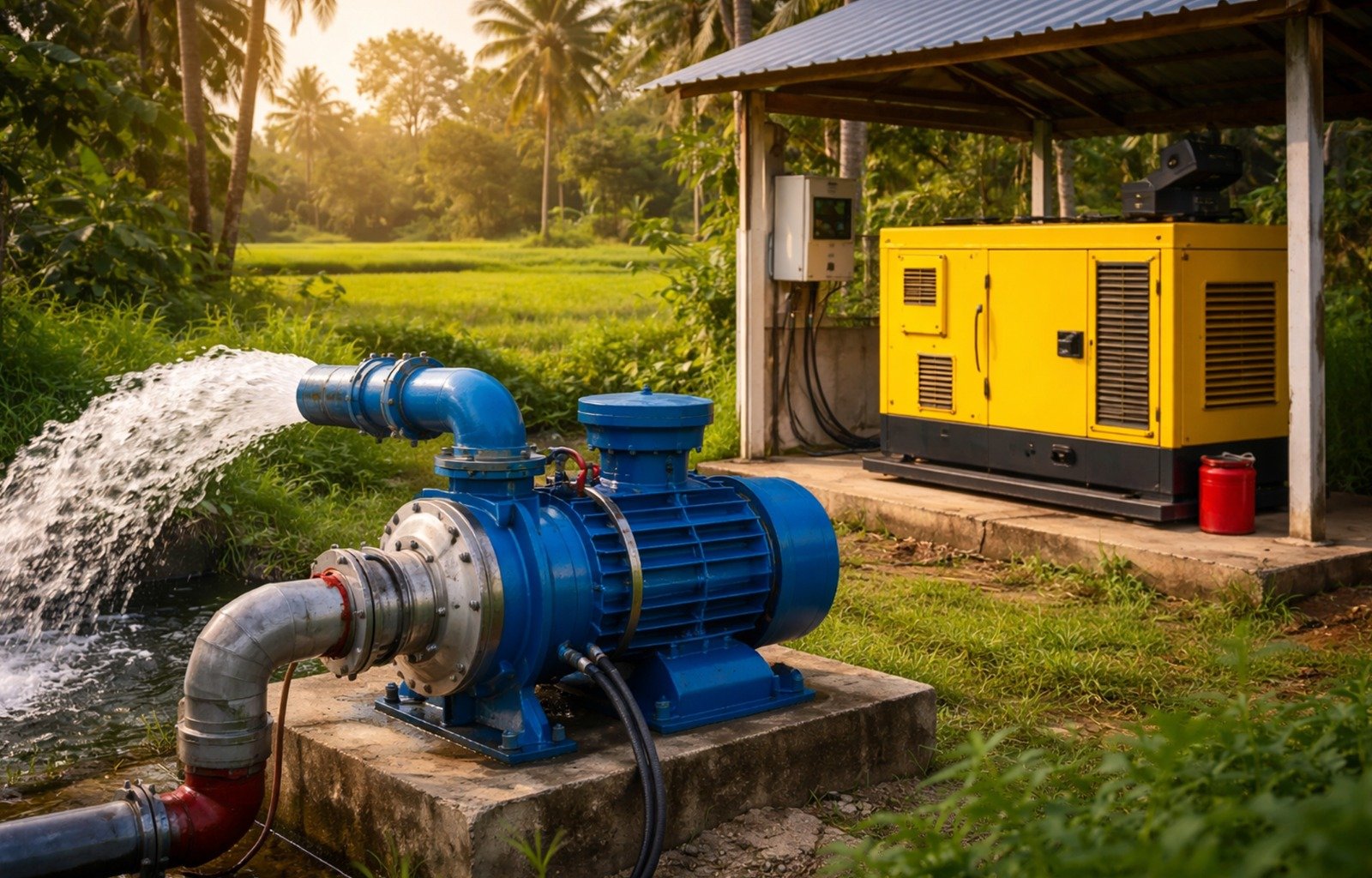
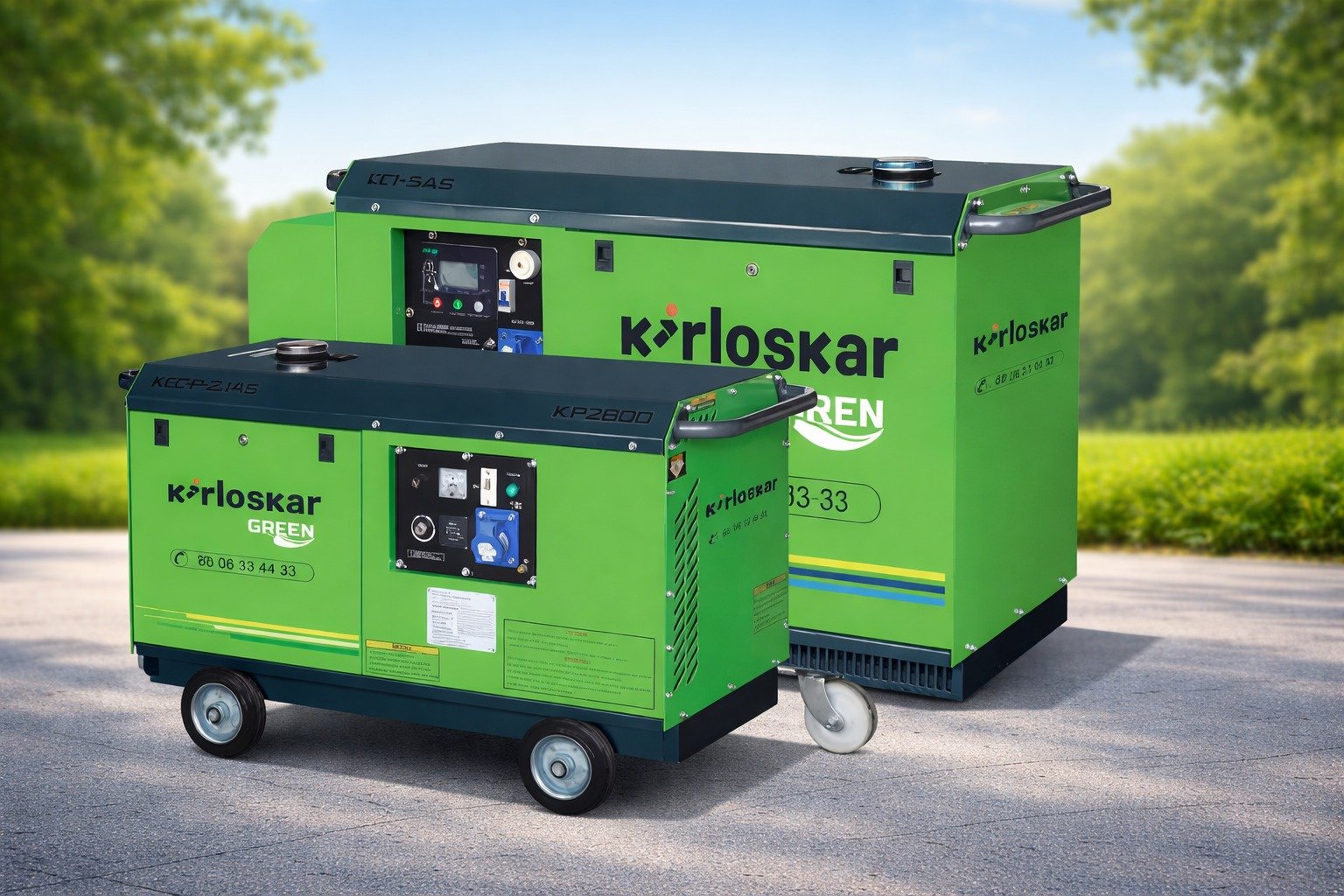
Let us start with diesel generators. These are commonly used in places where power backup is needed regularly or for longer hours. Apartment complexes, hospitals, workshops, and commercial buildings often depend on them. The reason is fairly simple. Diesel engines tend to perform better when they run for extended periods. They are built to handle heavier loads and continuous usage.
Another advantage people often mention is fuel efficiency. When a generator runs for several hours, diesel engines usually consume less fuel compared to petrol engines. Over time, that can help reduce operating costs.
Of course, diesel generators usually come with a slightly higher purchase price. They may also produce more noise than petrol models. Even so, for many businesses the reliability and long-term performance make them a practical investment.
Petrol generators, on the other hand, are often chosen for smaller requirements. Many households prefer them because they are compact and relatively easy to move around. They are also usually less expensive to buy.
For situations where backup power is needed occasionally—perhaps during short power cuts or outdoor activities—petrol generators often work perfectly well. They are simple to operate and convenient for light-duty use.
However, if a generator has to run for long hours every day, petrol engines may end up consuming more fuel. That is why they are usually recommended for shorter operating periods rather than continuous usage.
So how do you decide which generator is right for you?
A good starting point is to think about how often you will use it and how much power you actually need. If the generator is expected to support larger equipment or run for extended periods, diesel generators are usually the safer choice. If the requirement is occasional backup for a home or a small shop, a petrol generator may be more than enough.
Many experienced generator dealers suggest discussing your exact requirements before making a decision. A generator that is too small may struggle under load, while an oversized one may simply waste fuel.
FAQs
- Which generator is usually better for homes?
For many homes, petrol generators are a practical option because they are affordable and suitable for short-term power backup.
2. Why are diesel generators commonly used in businesses?
Diesel generators are built for longer operating hours and heavier loads, which makes them suitable for commercial use.
3. Do diesel generators last longer than petrol generators?
In many cases, yes. Diesel engines are generally designed for durability and extended usage.
4. Where can I find reliable generator suppliers in Kerala?
It is best to consult experienced generator suppliers in Kerala who can guide you based on your power requirements and usage pattern.
Finding the Right Generator
Choosing the right generator is easier when you get advice from professionals who deal with these systems every day. If you are looking for dependable generator dealers, Blue Diamond Agencies offers reliable generator solutions along with expert guidance. Their team can help you identify the right generator for your home, commercial space, or industrial setup, ensuring you always have power when you need it.