If you’ve ever sat through a power cut during a busy workday, you already know why a diesel generator matters. What most people don’t think about, though, is that buying the generator is the easy part. Keeping it running when you actually need it—that’s the part that takes discipline.
This guide walks through what maintenance actually looks like in practice, not just the textbook version.
Why Bother With Regular Maintenance
A generator that’s been neglected doesn’t usually fail dramatically. It just quietly gets less reliable—a bit harder to start, a bit less fuel-efficient—until one day it doesn’t start at all, usually at the worst possible moment. Regular upkeep protects the engine, the alternator, and the control panel, and it keeps running costs down over the years.
In Kerala specifically, the humidity and monsoon conditions add another layer of wear, especially on wiring and metal fittings. A generator sitting near the coast ages faster than one in a dry inland location, so the maintenance schedule needs to account for that.
What to Check Daily
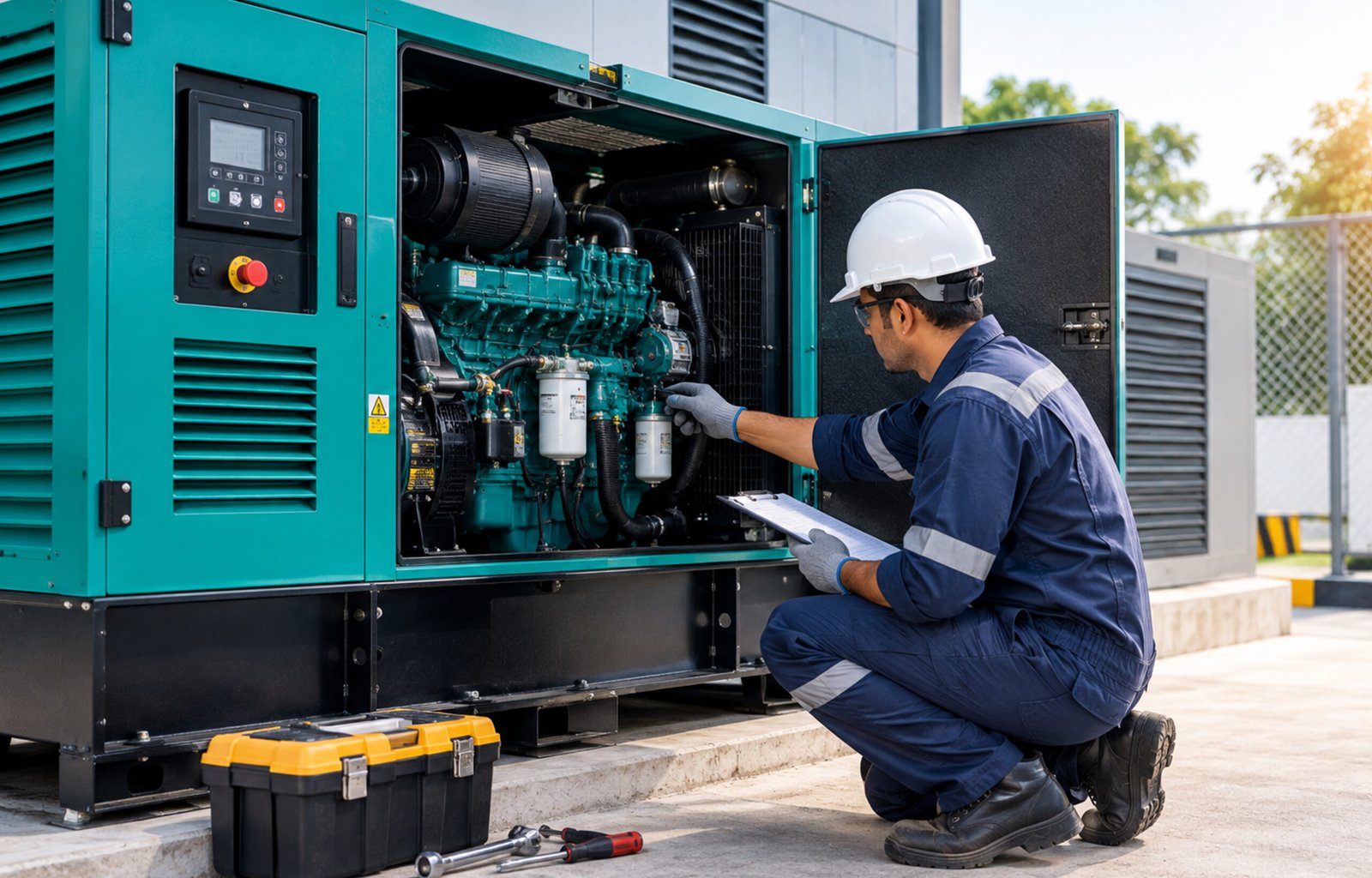
None of this takes more than a few minutes, but skipping it is how small problems turn into big ones:
- Fuel level and a look for water or sediment contamination
- Oil level—low or dirty oil is probably the single most common cause of engine trouble
- Coolant level, particularly for water-cooled units, which cover most commercial and industrial setups
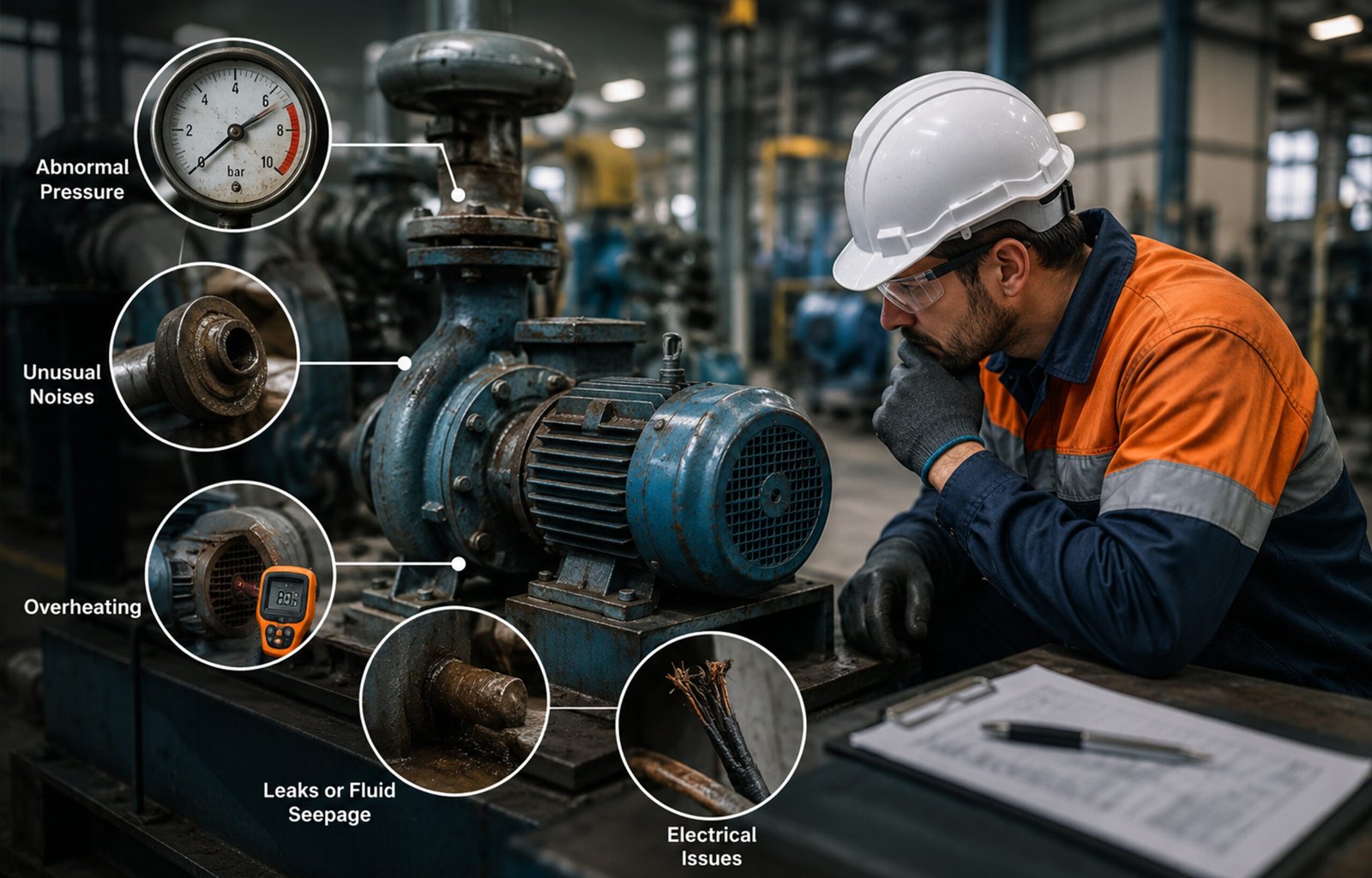
- A visual once-over for leaks, loose wiring, or corrosion near the battery terminals
- Battery charge, since a dead battery makes the rest of the generator irrelevant
Weekly and Monthly Tasks
Starting the generator briefly isn’t really a test—running it under load for 20 to 30 minutes tells you whether it’ll actually perform when the power goes out for real. Alongside that, it’s worth checking the air filters (clogged filters strain the engine over time), inspecting belts and hoses for cracking, and clearing dust or debris from the exterior and ventilation, especially if the unit sits in an enclosed room.
Quarterly and Annual Servicing
This is where it stops being a DIY job and starts needing a trained technician. Fuel injectors, filters, and lines need inspection and cleaning to avoid clogging. Load bank testing confirms the generator can actually handle its rated capacity—something hospitals, IT parks, and manufacturing units in particular can’t afford to skip. The alternator and control panel need checking too to make sure voltage regulation and automatic transfer switches are working correctly. Oil and filter changes should follow the manufacturer’s recommended running hours rather than a fixed date on the calendar.
Mistakes That Cost Businesses Money
The most common one, by far, is treating maintenance as something you deal with after something breaks rather than before. A close second is using poor-quality or contaminated fuel, which quietly wears down the engine over months. Skipping load tests is another—a generator can start up fine and still fail once real demand hits it. And a surprising number of businesses let their AMC lapse without realizing it, which means nobody’s actually tracking the service schedule anymore.
Finding the Right Maintenance Partner
None of this matters much if the supplier you bought from disappears after the sale. Genuine parts, technicians who actually know the equipment, and a fast response when something goes wrong—that’s what separates a good supplier from one that just sells boxes.
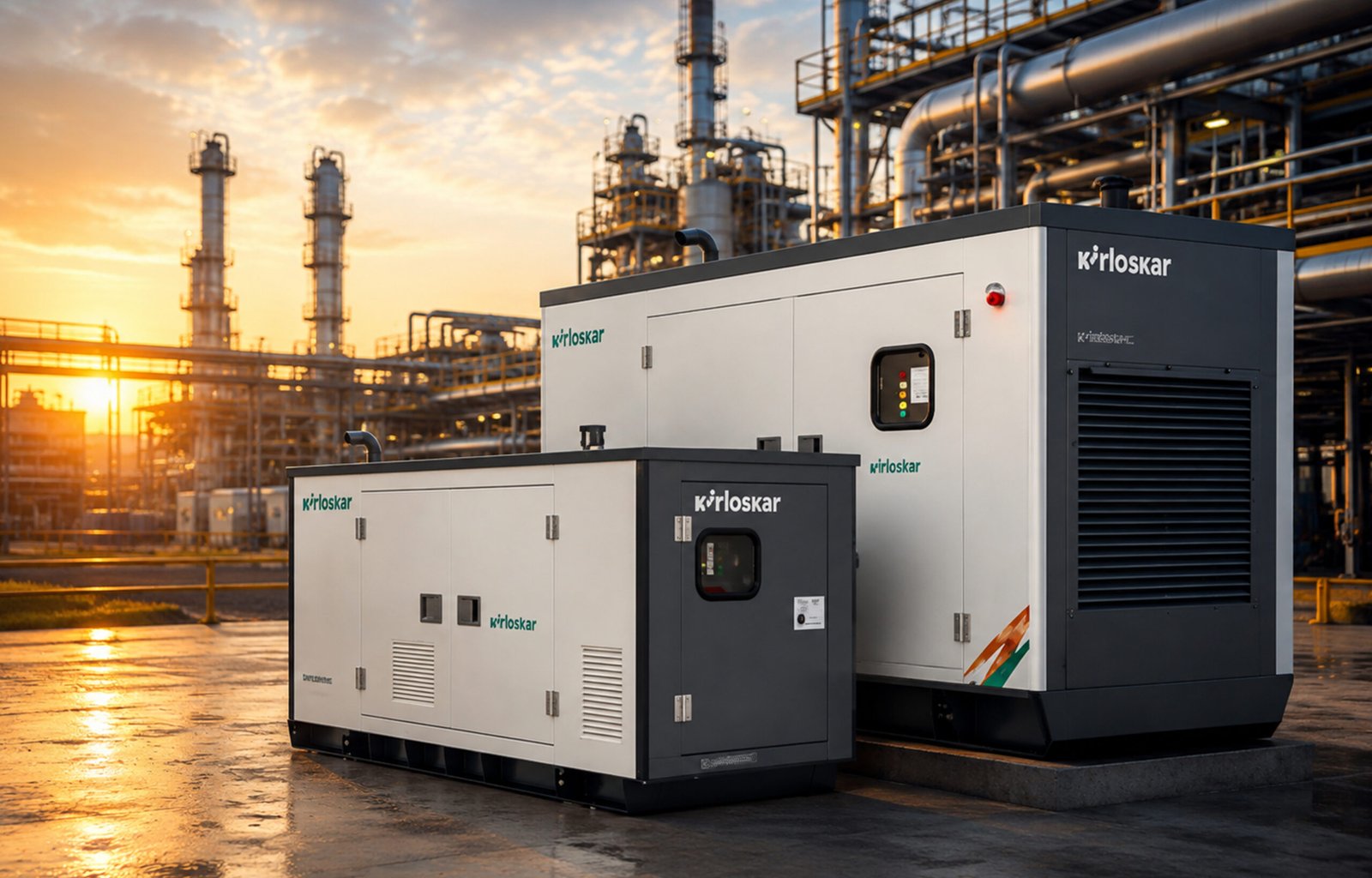
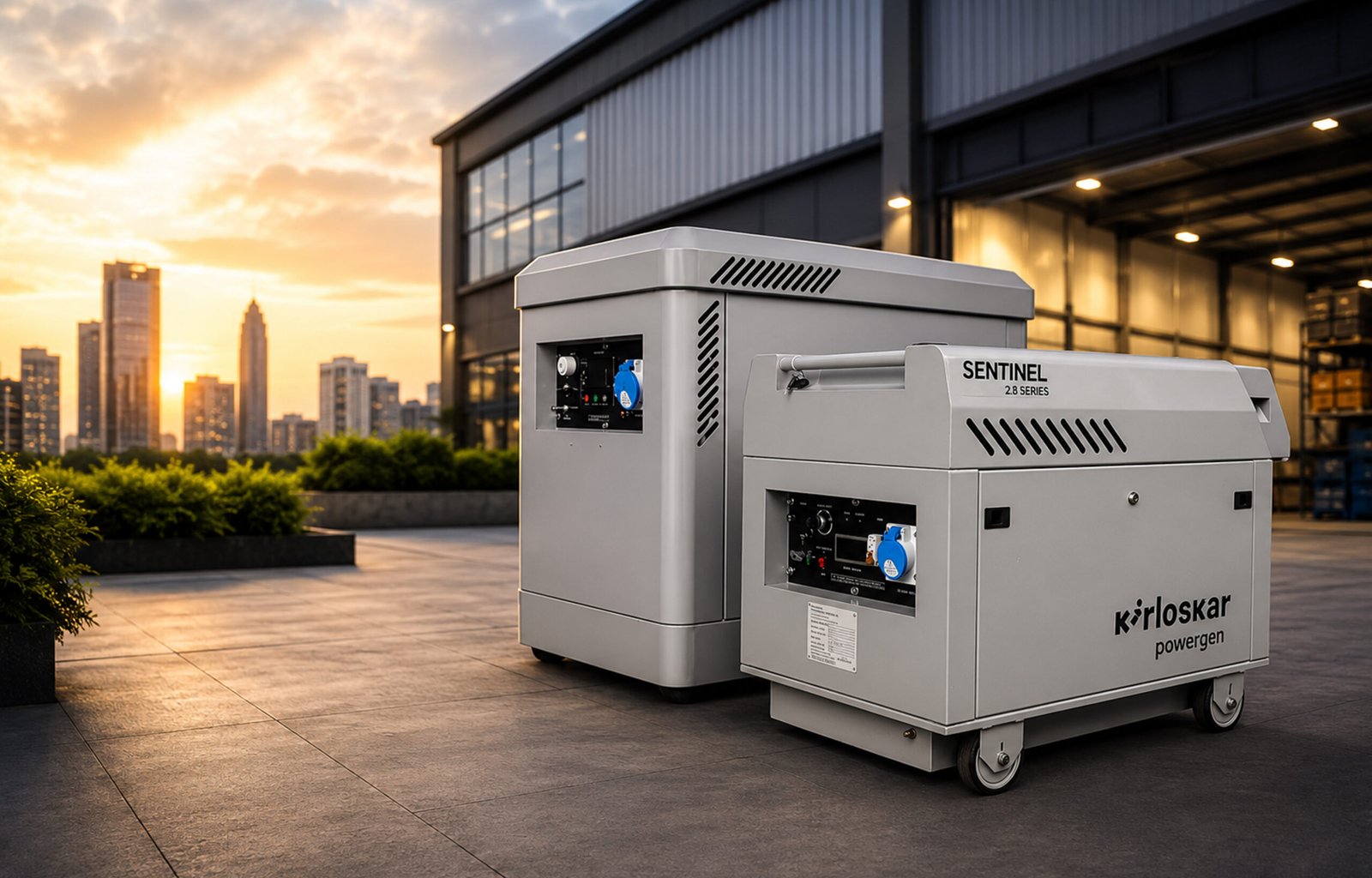
Blue Diamond Agencies, recognized among Kirloskar dealers in Kochi, is one option worth considering for businesses that want ongoing support, not just a one-time purchase. Authorized Kirloskar dealers generally come with access to genuine spares, factory-trained service staff, and AMC packages built for commercial use.
More broadly, if you’re comparing diesel generator suppliers in Kochi or looking at diesel generator suppliers in Kerala as a whole, it’s worth asking each one about:
- Whether they use genuine OEM parts
- On-site AMC coverage and emergency breakdown response times
- Load bank testing capability
- How transparent their service records are
- How quickly they can source spares, especially for older models
A slightly higher purchase price from a supplier who actually shows up when you call is almost always cheaper in the long run than the alternative.
Making Maintenance Actually Happen
The businesses that get this right tend to have one thing in common: a written checklist with a specific person responsible for it, not a vague “someone will handle it” understanding. Combine that with an AMC from a supplier you trust, and downtime tends to drop noticeably within the first year.
FAQs
How often should a diesel generator be serviced?
Monthly load testing, quarterly inspections, and one full annual service are the general rule. Running hours matter more than the calendar, though—a heavily used generator needs attention more often than a backup unit that rarely runs.
What happens if a diesel generator isn’t maintained regularly?
It becomes less reliable during outages, burns more fuel, wears out faster, and is far more likely to need expensive part replacements down the line.
How long does a diesel generator last with proper maintenance?
A good industrial unit can run for 20,000 to 30,000 hours or more, depending on how it’s used and how consistently it’s serviced.
Is an Annual Maintenance Contract (AMC) worth it?
Generally yes. It keeps servicing on schedule, gives access to genuine parts and trained technicians, and usually includes priority support in emergencies—which matters a lot for businesses that can’t afford extended downtime.