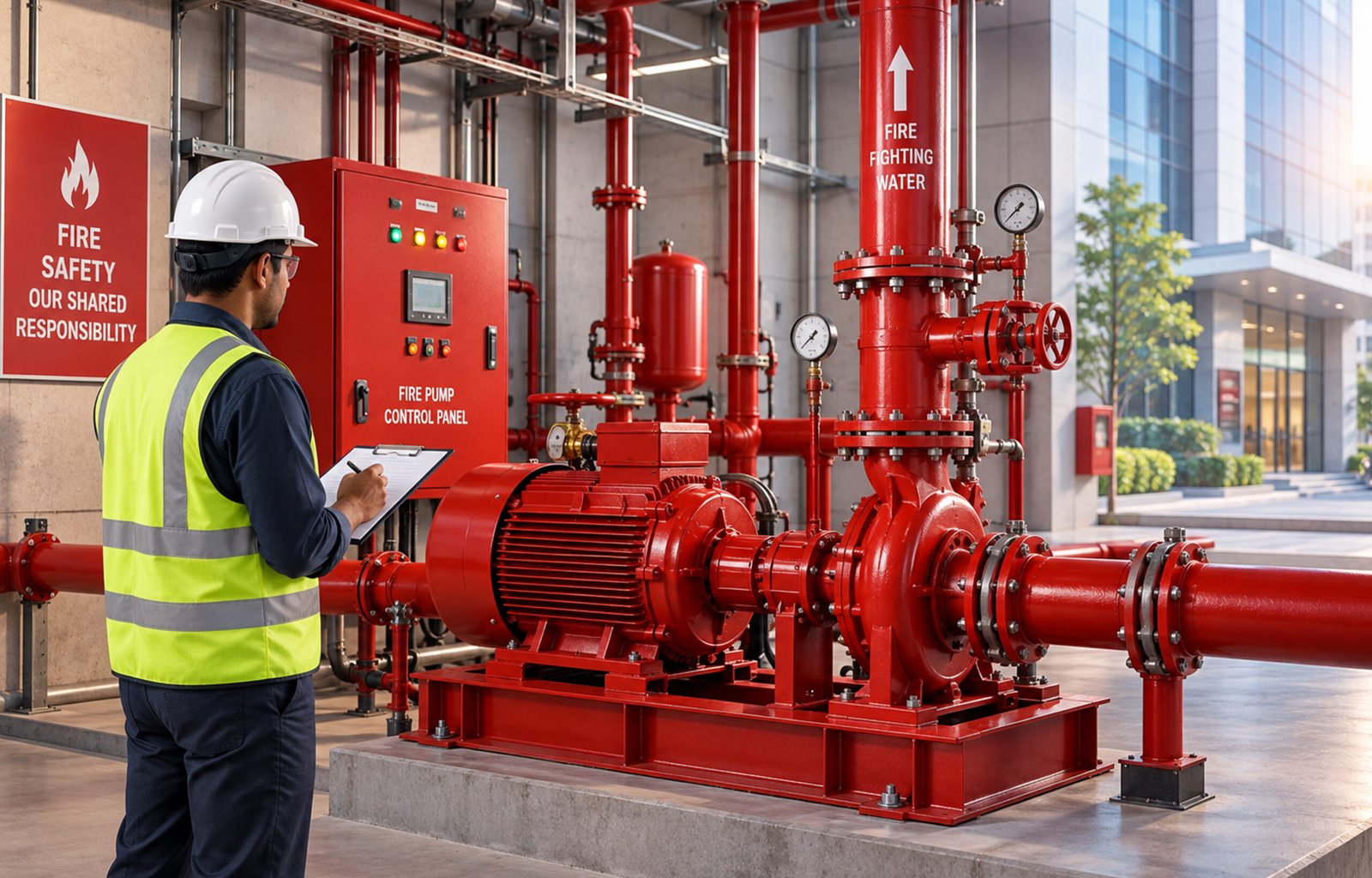
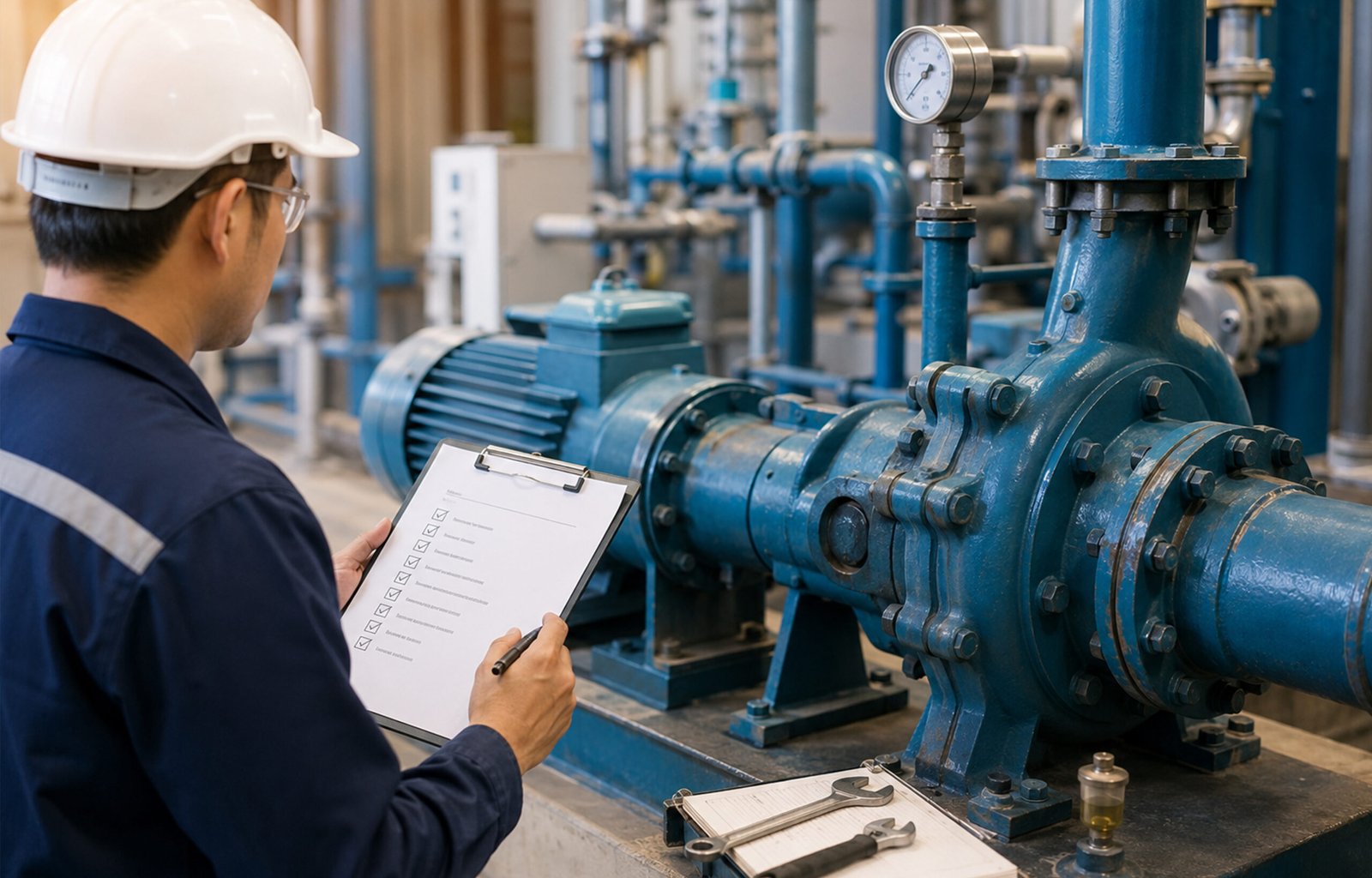
One of the most important considerations while designing and managing a commercial building is fire safety. Commercial buildings such as offices, shopping complexes, warehouses, hospitals, hotels, and industrial facilities can accommodate hundreds of people, which may increase fire risks.
Only a reliable fire protection system can control a fire during its early stages and provide emergency responders. Hence, choosing the right pump is not simply about selecting a model with high water flow; it’s about selecting the pump equivalent to the building’s size, water storage arrangement, sprinkler or hydrant system, pressure requirements, and overall fire protection design.
Why Commercial Buildings Need Reliable Fire Pumps
Commercial buildings have multiple floors, large occupied areas, underground parking, electrical rooms, storage spaces, and other areas where fire can spread quickly. Only a properly designed fire pump system maintains adequate water flow and pressure required for the fire protection network.
Types of Fire-Fighting Pumps Commonly Used
Different buildings have different pump configurations. Hence, the selection of pumps should be purely based on engineering calculations.
Electric Fire Pump
Electric fire pumps are the ones that are used where reliable electrical supply is available. They can provide the required pressure and flow to the firefighting network.
Diesel Engine Fire Pump
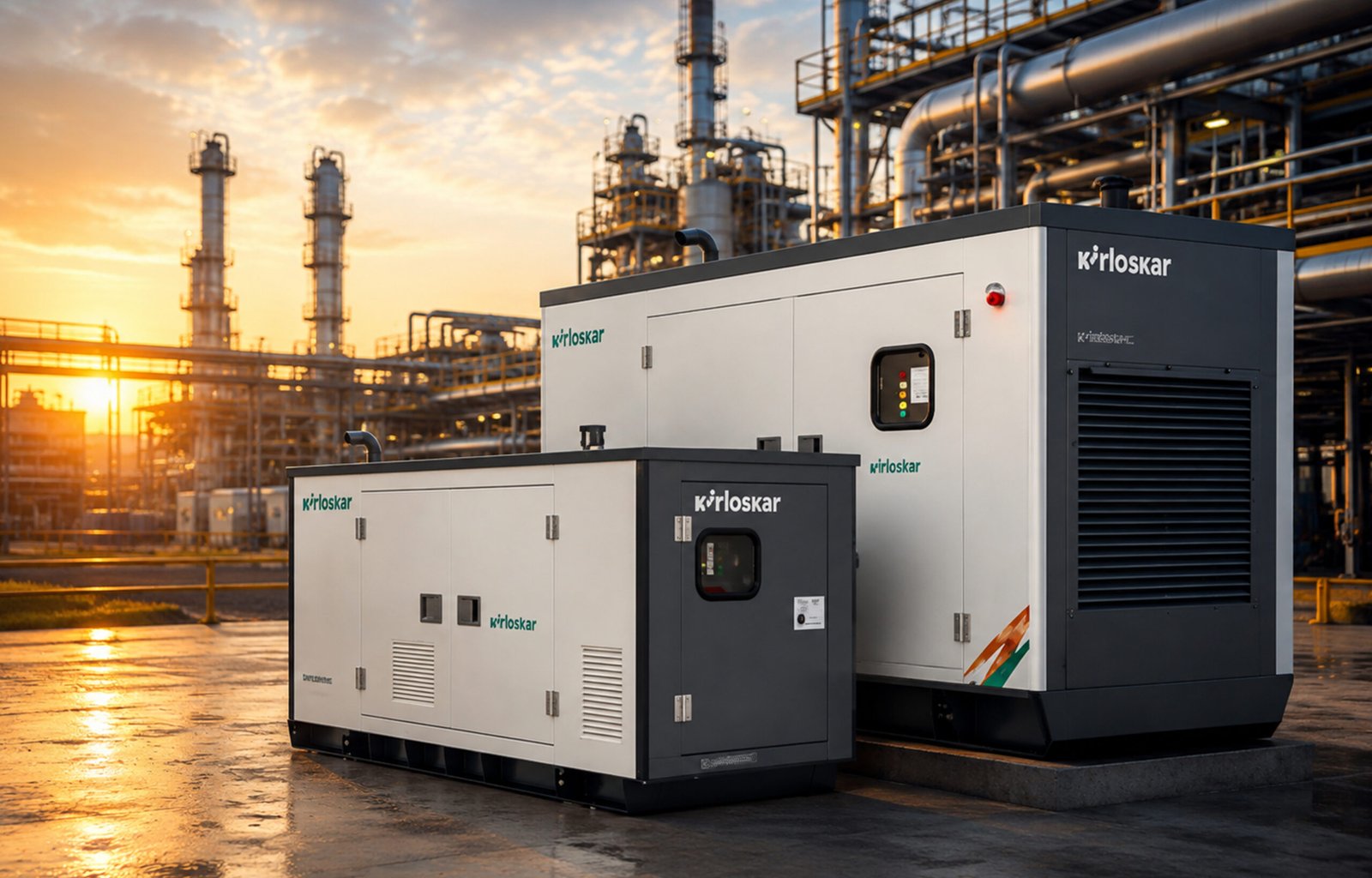
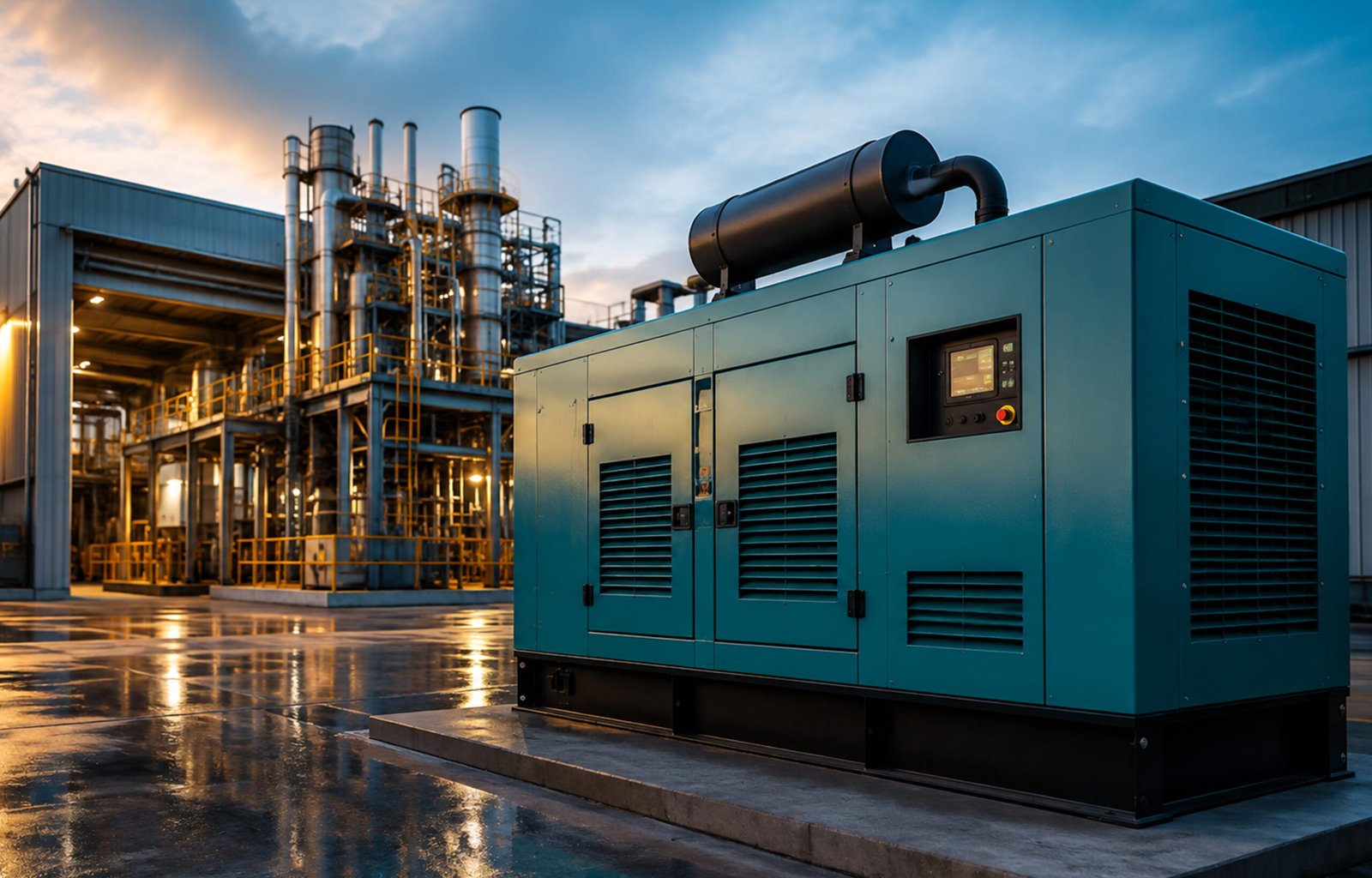
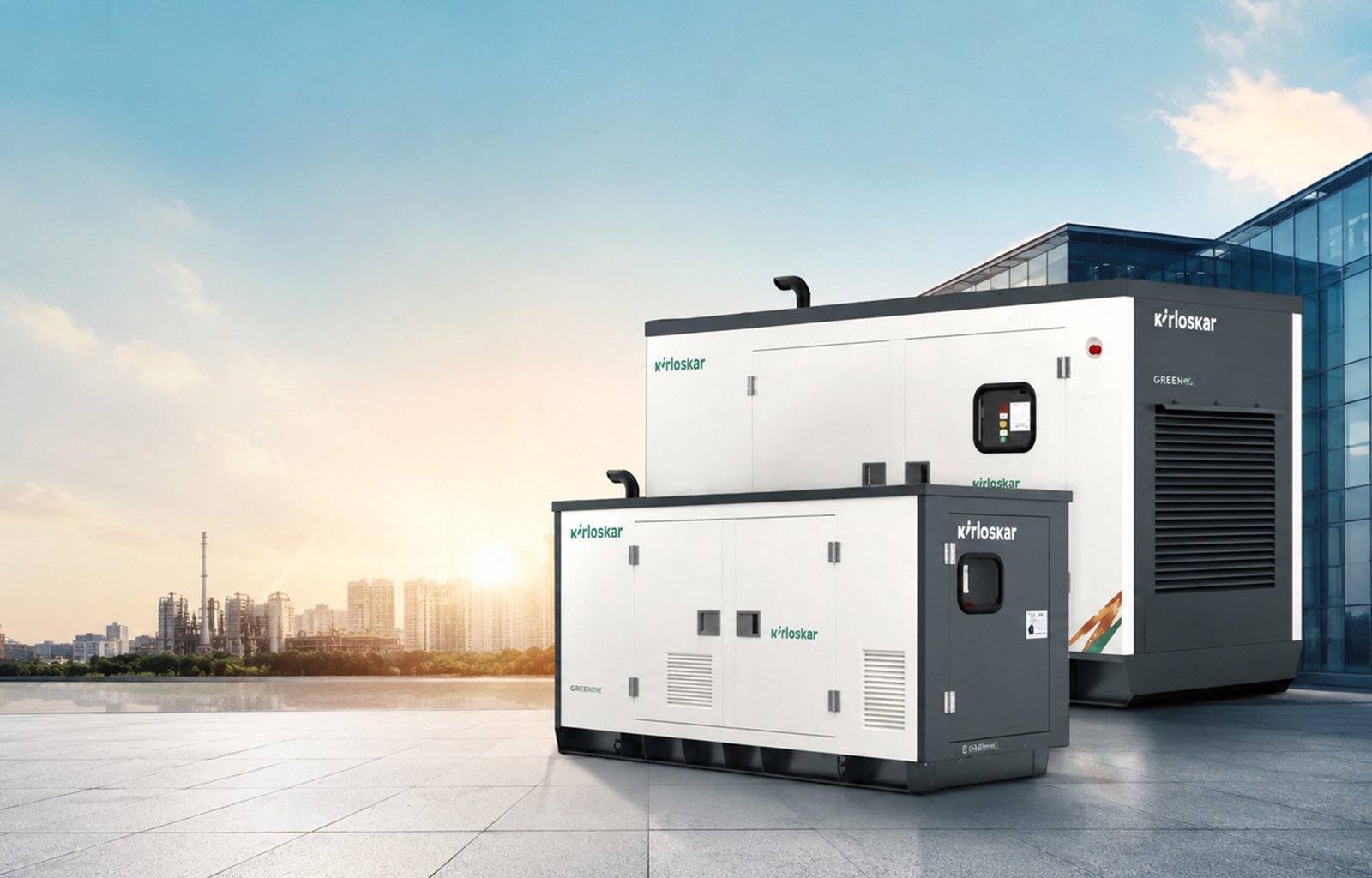
A diesel-driven pump is particularly used in systems where backup pumping capability is required, also with fuel storage, ventilation, battery systems, cooling arrangements, and regular maintenance.
Jockey Pump
During temperature changes and small leaks there will be minor pressure losses. Hence, instead of starting the main fire pump for every small pressure variation, the jockey pump maintains pressure within the required range.
Vertical Turbine Pumps
If the tank arrangement requires a pump to operate with a vertical configuration, then vertical turbine pumps can be considered. They can also be used in certain large commercial or industrial installations where conventional horizontal pumping arrangements may not be suitable.
How to Select the Right Fire-Fighting Pump
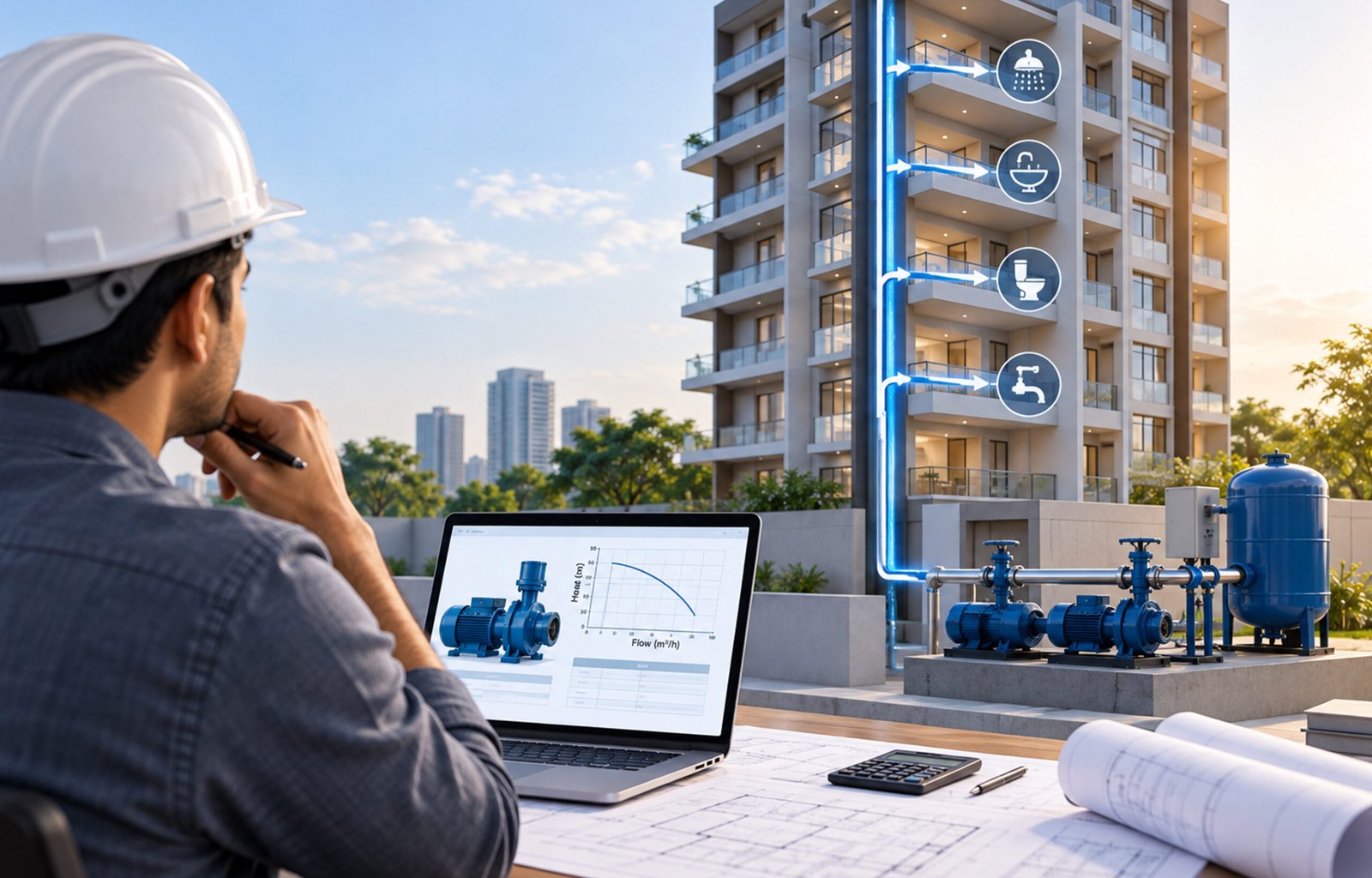
Pump selection should begin with the requirements of the fire protection system rather than the pump itself. The factors to consider while choosing the right firefighting pump are building height, required flow rate, required pressure, water storage capacity, power availability, and system design.
Installation Is as Important as Pump Selection
If installed incorrectly, every high-quality fire pump may not perform as expected. Hence, installation must be carried out based on factors such as proper pipe and suction arrangement, proper electrical connections, adequate ventilation, correct valve positioning, pressure monitoring, and suitable drainage arrangements.
Regular Testing and Maintenance
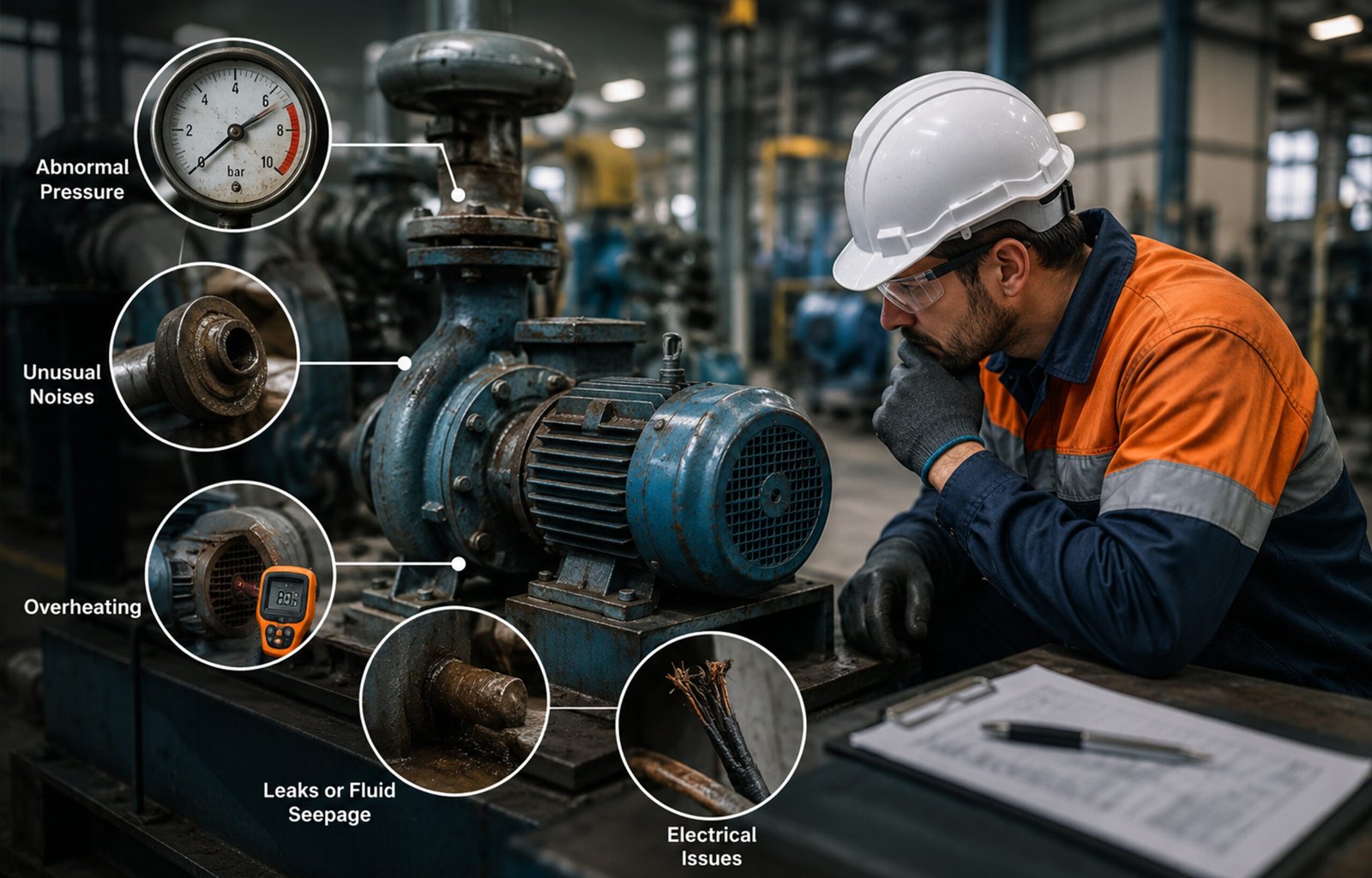
Regular testing and maintenance, such as pump performance, motor or engine condition, pressure levels, valve and pipe connections, electrical connections, control panels, batteries, jockey pump operations, and water storage arrangements. The maintenance schedule should follow the manufacturer’s recommendations, applicable standards, and the requirements of the building’s fire protection system.
Why Professional Selection Matters
While choosing firefighting equipment, consider the supplier’s technical knowledge, product range, installation support, availability of spare parts, and after-sales service. A pump that does not match the required flow and pressure may fail to provide the expected performance during an emergency.
When looking for firefighting pumps in Kochi, commercial property owners and project teams should consider the supplier’s technical knowledge, product range, installation support, availability of spare parts, and after-sales service.
For projects located elsewhere in the state, the same approach applies when sourcing firefighting pumps in Kerala. The focus should be on finding a pump solution that is appropriate for the building’s actual fire protection requirements.
FAQS
Where can I find reliable firefighting pump suppliers in Kerala?
If you are a business looking for reliable firefighting pump suppliers in Kerala, then Blue Diamond Agencies is the best option. The supplier should have technical expertise, product quality, installation support, spare parts availability, and after-sales service.
Can firefighting pumps be used for industrial buildings?
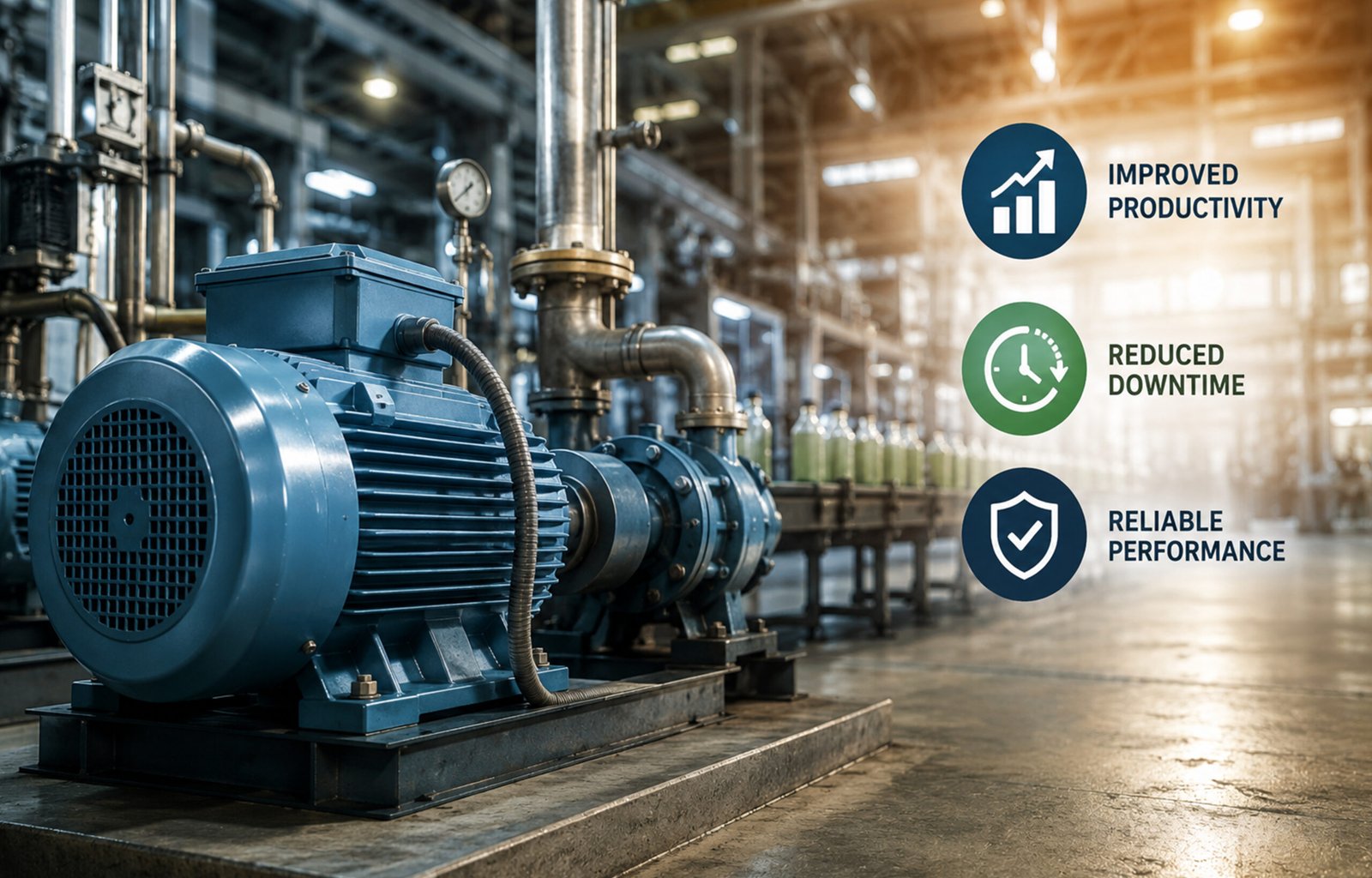
Yes, firefighting pumps can be used for industrial buildings with adequate fire hazards, water storage arrangements, and hydrant requirements.
What should I check before buying a firefighting pump in Kerala?
Before buying firefighting pumps in Kerala, check for water flow rate, pressure of the pump, pump type, power source, water storage arrangement, maintenance support, and supplier experience.