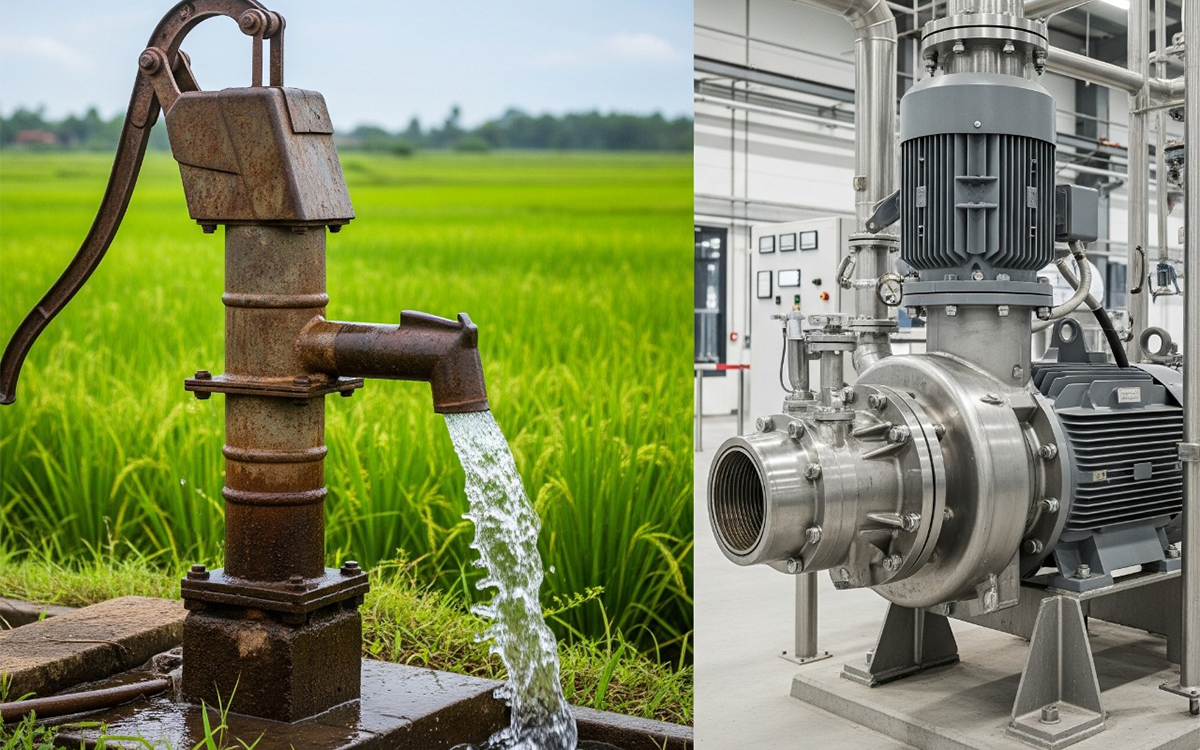
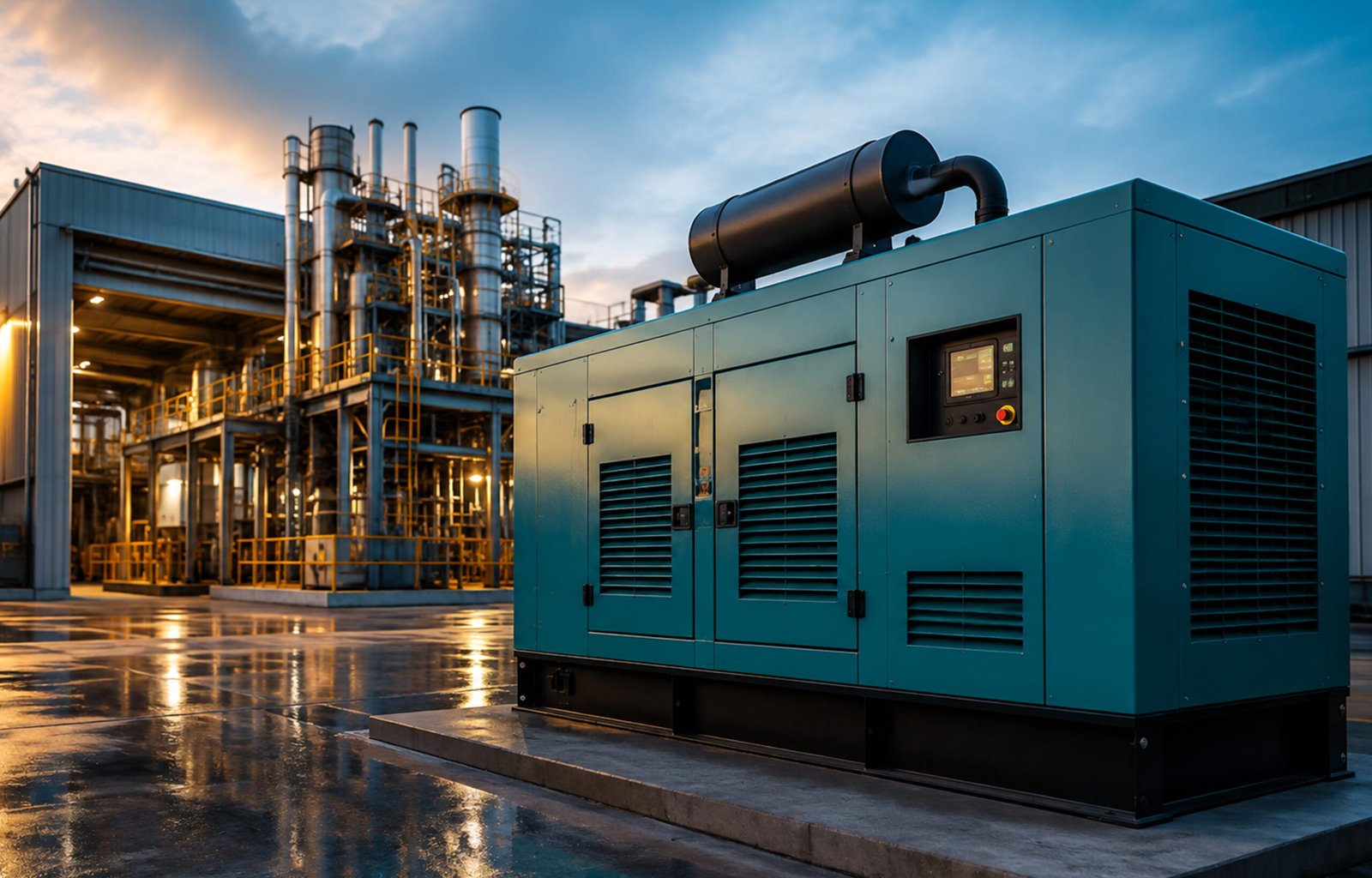
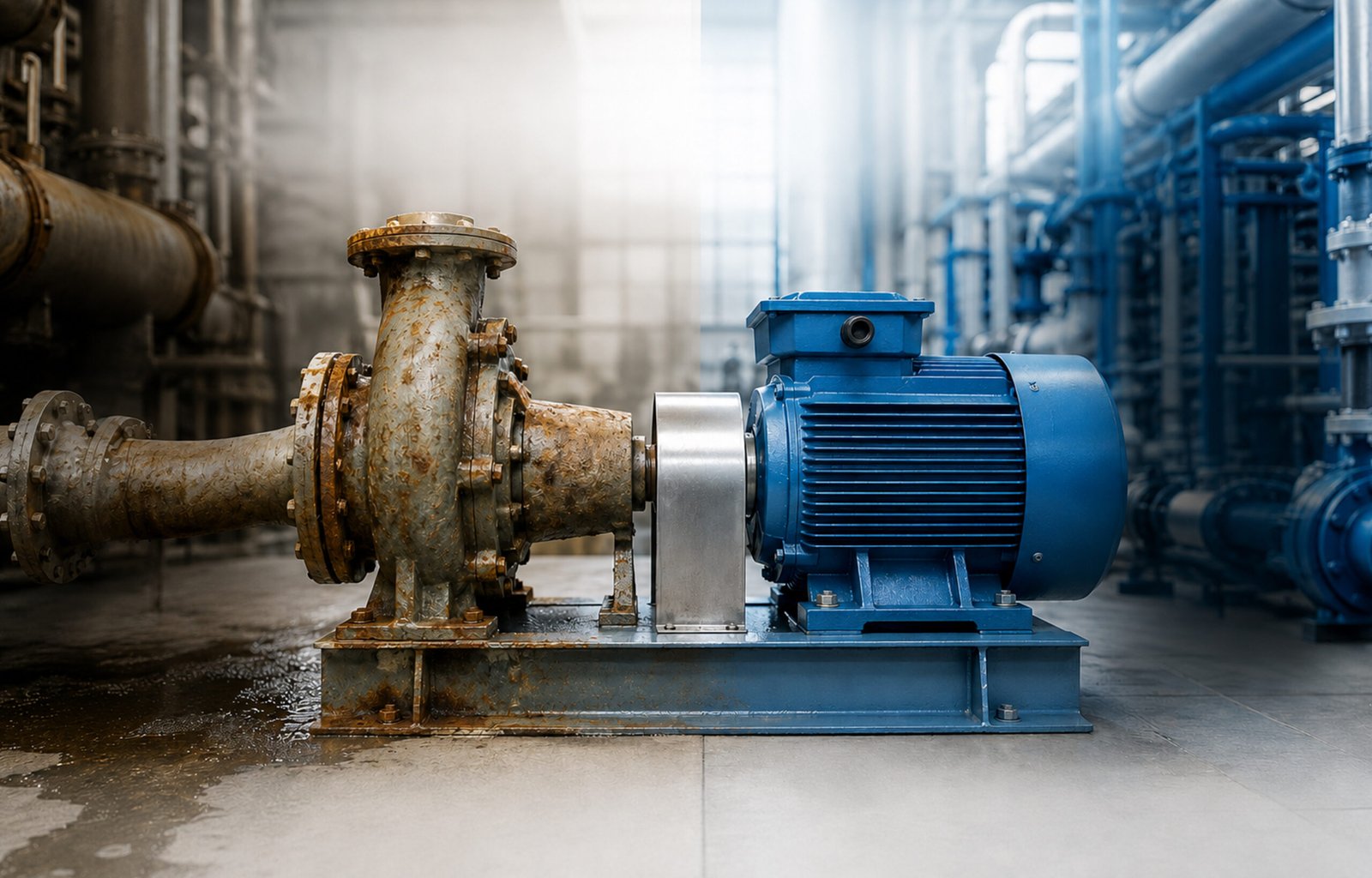
Whether you are cultivating acres of paddy fields or running a state-of-the-art manufacturing plant, one thing is certain: water and other fluids are the lifeblood of your operation. The pump you choose is the heart that keeps this lifeblood flowing. However, the pump that works wonders on a farm might be a disastrous choice for an industrial facility, and vice versa.
Choosing the correct pump is not just a matter of functionality; it’s a critical business decision that impacts efficiency, operational costs, and longevity. As authorized dealers of Kirloskar pumps, a brand with a legacy of excellence since 1888, we understand the nuances that differentiate these powerful machines. Let’s delve into how to select the right Kirloskar pump for your specific world—be it agricultural or industrial.
The Needs of the Field: What to Look for in an Agricultural Pump
Agricultural work demands toughness and reliability. Pumps in this sector often work in challenging conditions, dealing with fluctuating power supplies and water sources that aren’t always pristine.
Key Considerations for Agricultural Pumps:
- Volume over Velocity: The primary goal is often to move large quantities of water for irrigation. High flow rate is typically more critical than extremely high pressure.
- Durability and Simple Maintenance: Pumps need to be robust. Designs that are easy to service by semi-skilled technicians in remote locations are a huge advantage.
- Power Fluctuation: The motor must be designed to handle wide voltage variations common in rural areas to prevent burning out.
- Water Source: The pump may need to handle water from borewells, open wells, rivers, or canals, which might contain silt or other small solids.
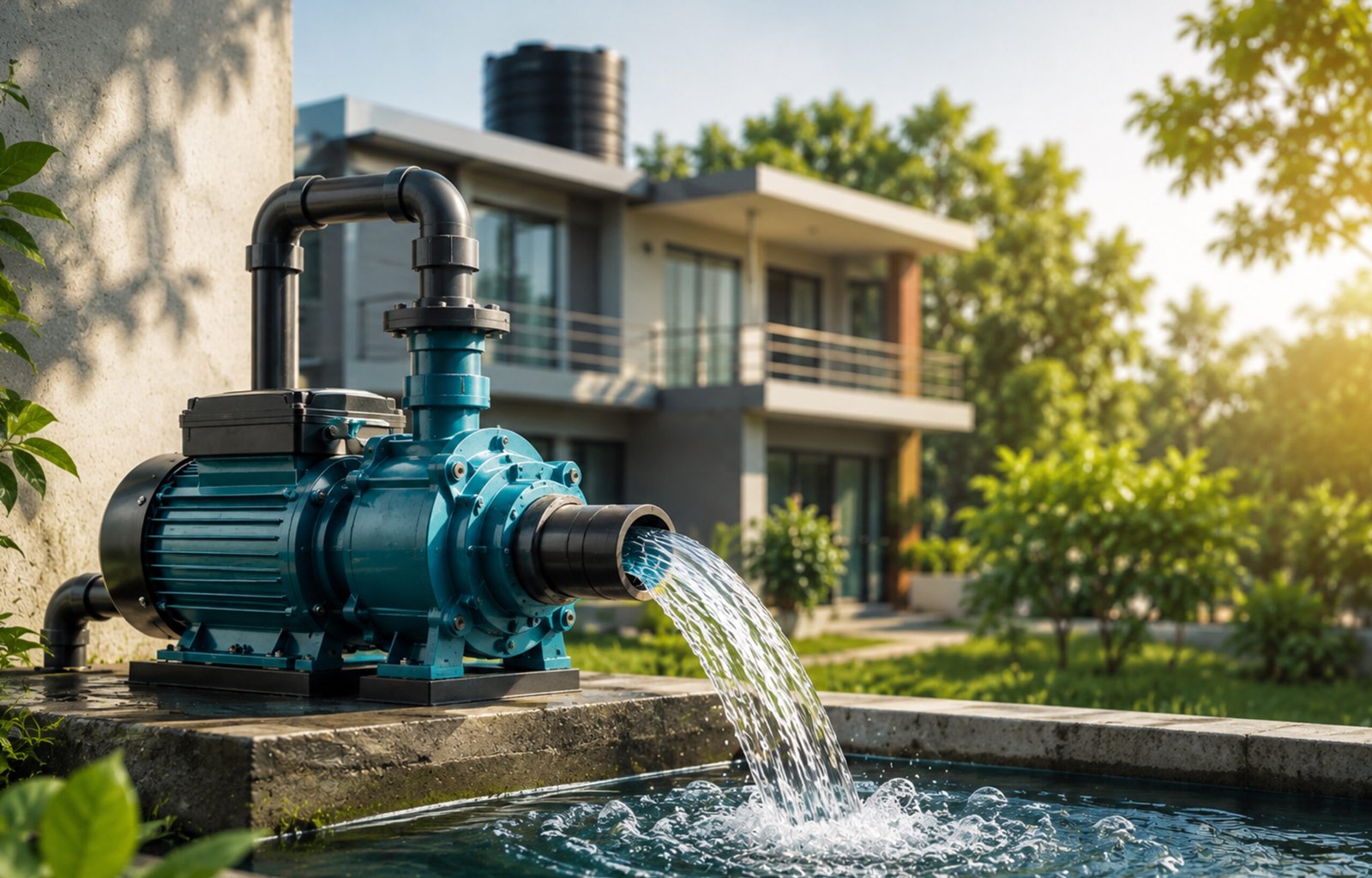
The Kirloskar Agriculture Range: Kirloskar’s agriculture range is built for this. For instance, the single-phase monobloc pumps like the KDS and KAM series are workhorses for farm irrigation and community water supply. For drawing water from greater depths, Kirloskar’s renowned submersible pump sets are the ideal solution.
The Demands of the Industry: Precision and Performance in Industrial Pumps
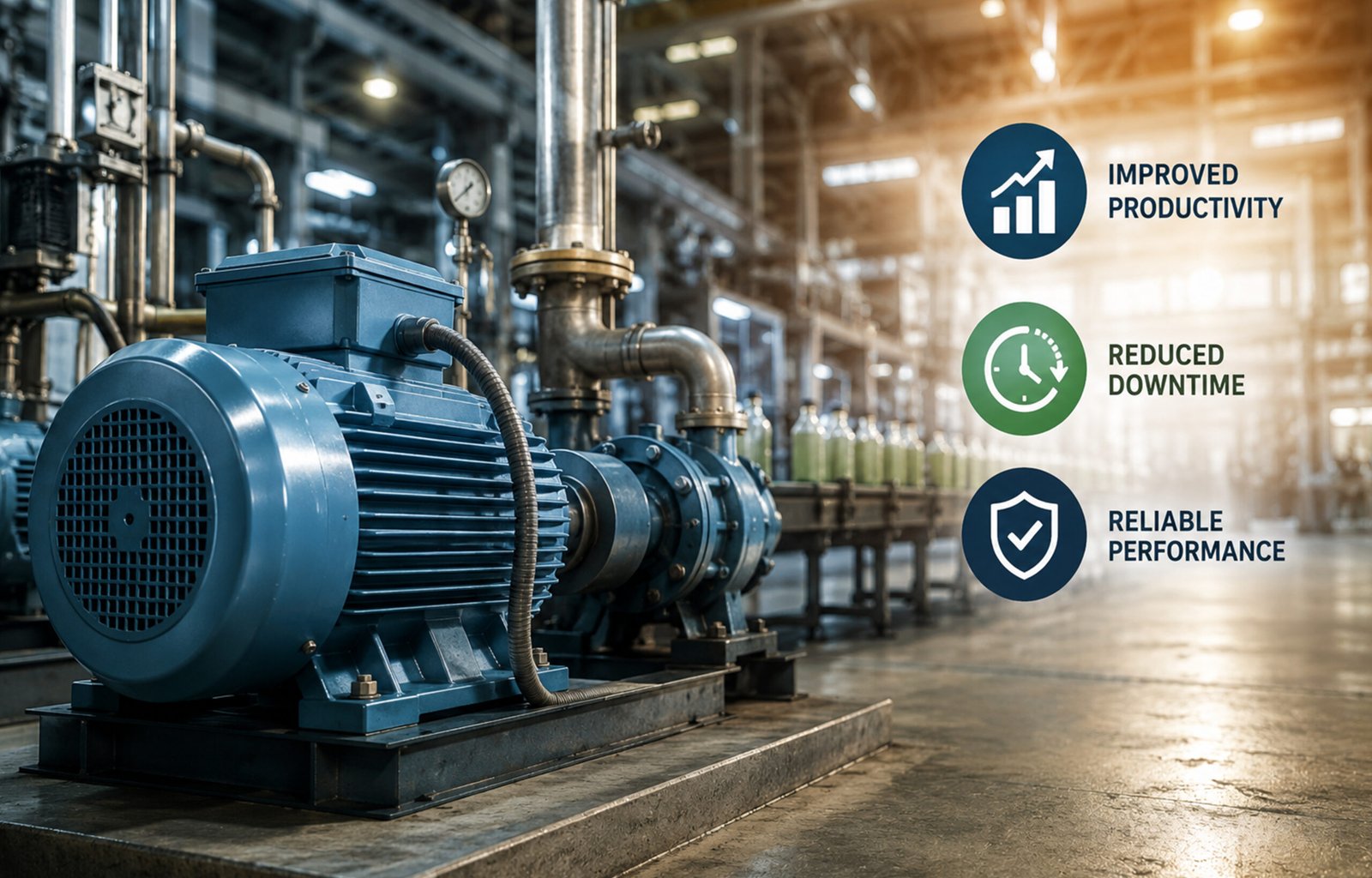
The industrial environment is about precision, specialization, and often, continuous operation. An industrial pump is an integral part of a complex process where failure is not an option.
Key Considerations for Industrial Pumps:
- Fluid Versatility: Industrial pumps must often handle a wide variety of fluids, from clear water to corrosive chemicals, hot water, effluents, and sewage with suspended solids.
- High Efficiency and Continuous Operation: Many industrial pumps run 24/7. Energy efficiency is paramount to keep operational costs down. Kirloskar’s KDI series, for example, comes with ultra-premium efficiency IE5 motors that offer lower life cycle costs.
- Specific Materials: The pump’s construction material is critical. For instance, SS-Monobloc pumps like the KSMB series use stainless steel for wetted components, making them perfect for pharmaceutical or food processing industries.
- High Pressure and Temperature: Applications like boiler feeding, firefighting systems, or handling hot water in plants require pumps that can withstand high pressures and temperatures. The KDI Monobloc pump’s mechanical seal can handle fluids up to 120°C.
The Kirloskar Industrial Range: This range is vast and specialized. It includes everything from Sewage/Dewatering Pumps (ETERNA series) to handle waste to Vertical Multistage Pumps (KVM/KCIL series) for high-pressure RO plants and firefighting systems.
FAQs
What is the main difference between an agricultural and an industrial pump?
The primary difference lies in their design and purpose. Agricultural pumps are generally built for high-volume water transfer and durability in rugged conditions. Industrial pumps are built for specific, often continuous, applications, prioritizing precision, efficiency, and the ability to handle diverse and challenging fluids.
Can I use an agricultural pump for a small industrial task?
It’s strongly discouraged. An agricultural pump is not designed to handle the chemicals, high temperatures, or pressures of most industrial settings. Using the wrong pump can lead to rapid failure, safety hazards, and costly downtime.
Which Kirloskar pumps are best for drip irrigation in Kerala?
For drip irrigation, a consistent flow at a specific pressure is key. Kirloskar’s single-phase monobloc pumps from the agriculture range or smaller submersible pump sets are excellent choices. The best model depends on your land size and water source depth.
I see “CED Coating” mentioned on many Kirloskar pumps. What is it?
CED (Cathodic Electro Deposition) is an advanced coating technology that provides uniform coverage and superior corrosion resistance. It offers about five times more protection than conventional paint, which is a huge advantage in Kerala’s humid climate and results in a longer life for the pump.
Where can I get expert advice on choosing the right Kirloskar pump in Kochi?
Right here. At Blue Diamond Agencies in Kochi, our team has the technical expertise to understand your specific requirements. We can analyze your needs, whether for a farm or a factory, and recommend the perfect Kirloskar pump that guarantees performance and value.
Make the Right Choice for Uninterrupted Flow
Selecting the right pump is a foundational step for success. Don’t leave it to guesswork. By understanding your unique requirements and consulting with experts, you can equip your operation with a Kirloskar pump that will serve as a reliable and efficient heart for years to come.
Are you ready to find the perfect pumping solution for your farm or industry? Contact Blue Diamond Agencies today. Our experts in Kochi are here to guide you through the extensive Kirloskar range and ensure you get the power and performance you need.